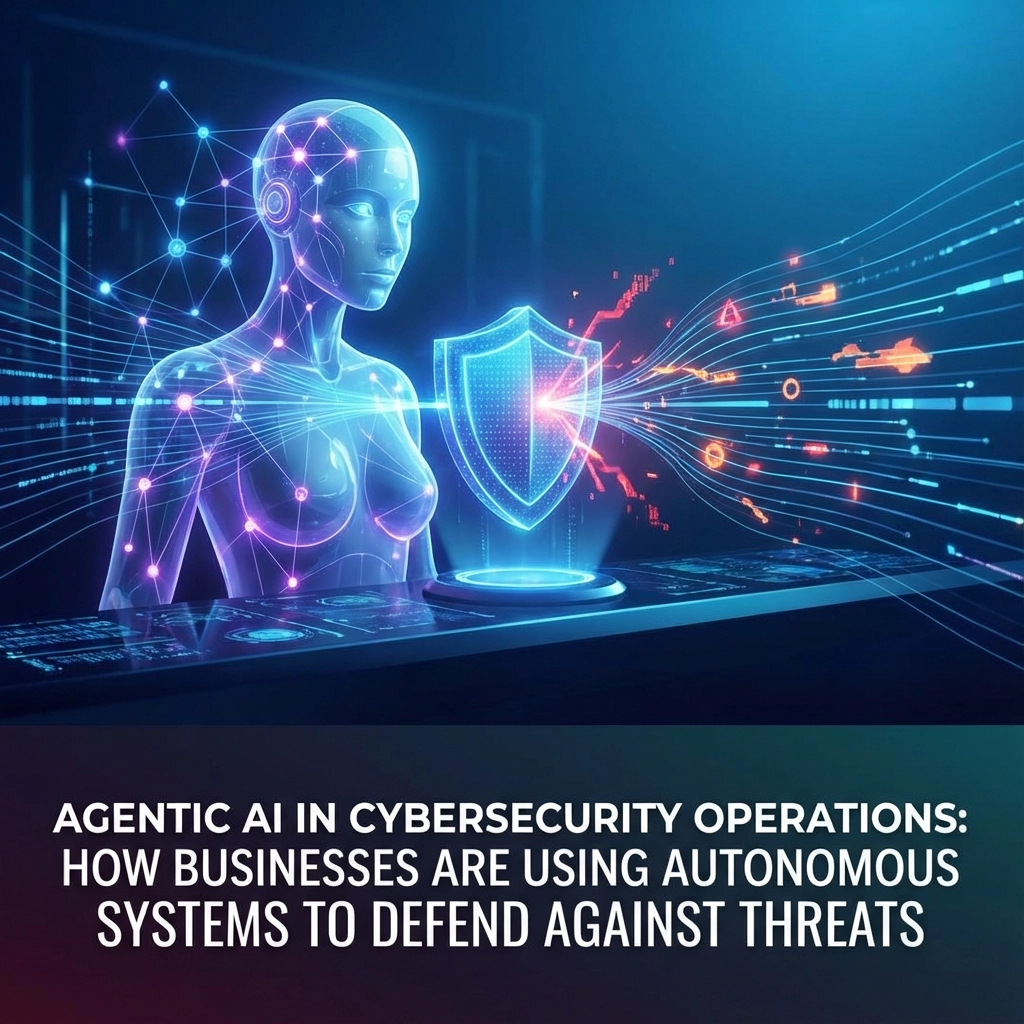
Cybersecurity teams are drowning. The average security operations center (SOC) processes thousands of alerts daily, with analysts spending 80% of their time on repetitive tasks like alert triage and false positive investigation. Meanwhile, cyber threats are becoming more sophisticated, faster, and more automated than ever before.
Enter agentic AI: autonomous systems that don't just detect threats, but independently investigate, respond, and adapt to cyber attacks in real-time. Unlike traditional security tools that follow rigid rules, agentic AI systems think, learn, and act like experienced security analysts, but at machine speed and scale.
What Makes Agentic AI Different
Agentic AI goes far beyond the chatbots and automated responses you might be familiar with. These systems can set their own goals, create multi-step plans, and execute complex cybersecurity operations without human intervention.
Think of it this way: traditional cybersecurity tools are like smoke detectors: they alert you when something's wrong. Agentic AI is like having a fire department that not only detects the fire but also analyzes the situation, develops a response strategy, and takes action to contain the threat: all within seconds.
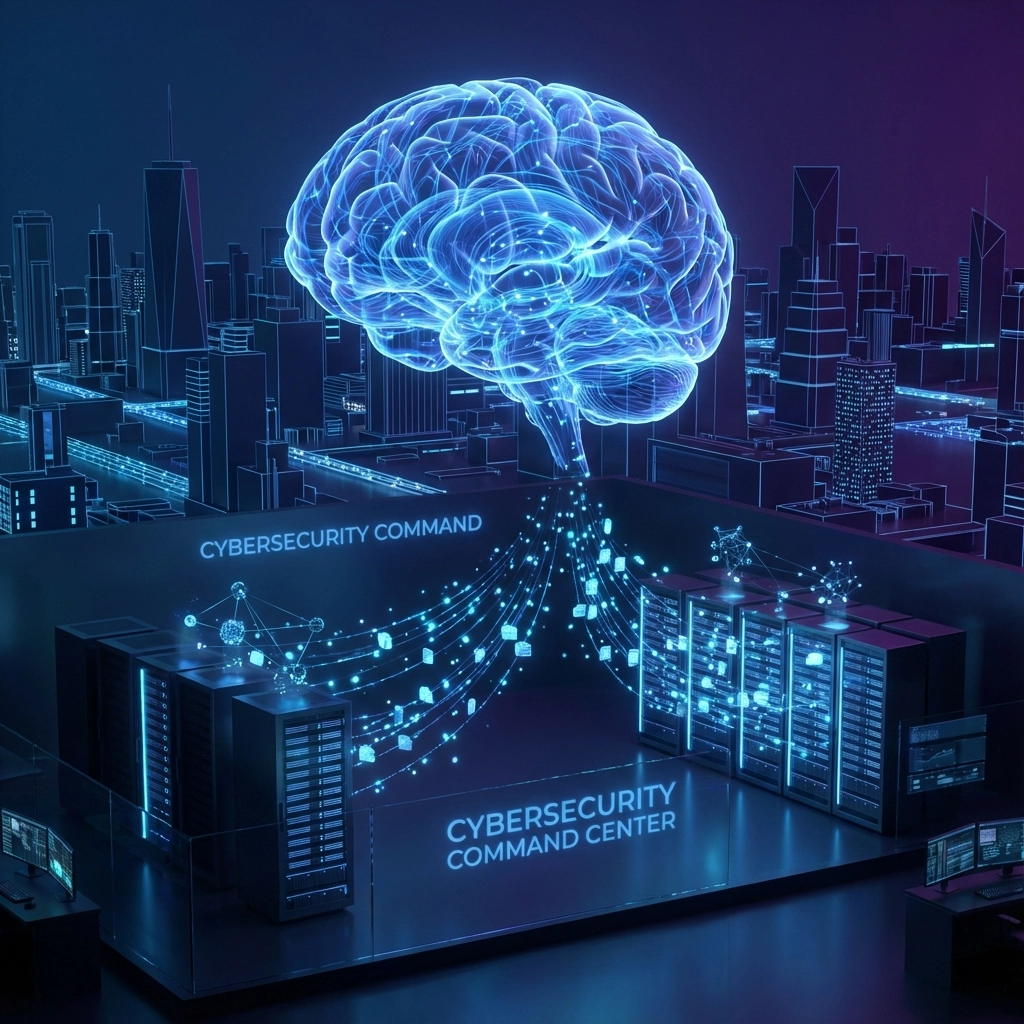
The key difference lies in their ability to operate through what experts call the "Perceive-Reason-Act-Learn loop." These systems continuously monitor their environment, analyze threats using advanced reasoning, take appropriate actions, and learn from each interaction to improve future responses.
How Agentic AI Actually Works in Security Operations
The magic happens through four core capabilities that work together:
Autonomous Goal-Setting: When an agentic AI system detects unusual network traffic, it doesn't just flag it for human review. Instead, it sets investigation goals: like "determine if this traffic pattern indicates a data exfiltration attempt" and creates a step-by-step plan to gather evidence.
Real-Time Decision-Making: Unlike rule-based systems that follow predetermined responses, agentic AI evaluates multiple options based on current context. It might choose to quarantine a device immediately for high-risk scenarios or continue monitoring for subtle threats that require more evidence.
Long-Term Task Execution: Sophisticated threats like Advanced Persistent Threats (APTs) unfold over weeks or months. Agentic AI excels at maintaining long-term investigations, continuously tracking evolving signals and taking new actions as fresh intelligence emerges.
Adaptive Response: As attackers change tactics mid-campaign, agentic AI systems adjust their defense strategies in real-time, staying one step ahead of evolving threats.
Real-World Applications Transforming Business Security
Organizations across industries are deploying agentic AI to handle their most critical security challenges:
Threat Detection and Prevention
Agentic AI systems continuously analyze data from endpoints, firewalls, and cloud environments to identify threats that traditional tools miss. When they detect suspicious behavior: like an employee accessing unusual files at 3 AM: they automatically correlate this with other data points, investigate the user's recent activities, and can immediately block malicious actions if confirmed.

Incident Response Automation
During a security breach, every second counts. Agentic AI systems can execute containment protocols within seconds of detection: automatically revoking compromised credentials, isolating infected devices, and initiating backup procedures. This reduces "dwell time" (how long attackers remain undetected) from hours to mere seconds.
Vulnerability Management
Managing software vulnerabilities typically requires security teams to manually track, prioritize, and patch hundreds of potential issues. Agentic AI automates this entire lifecycle: parsing vulnerability reports, identifying affected systems, assessing risk levels, and initiating patching processes without human oversight.
Alert Triage and Investigation
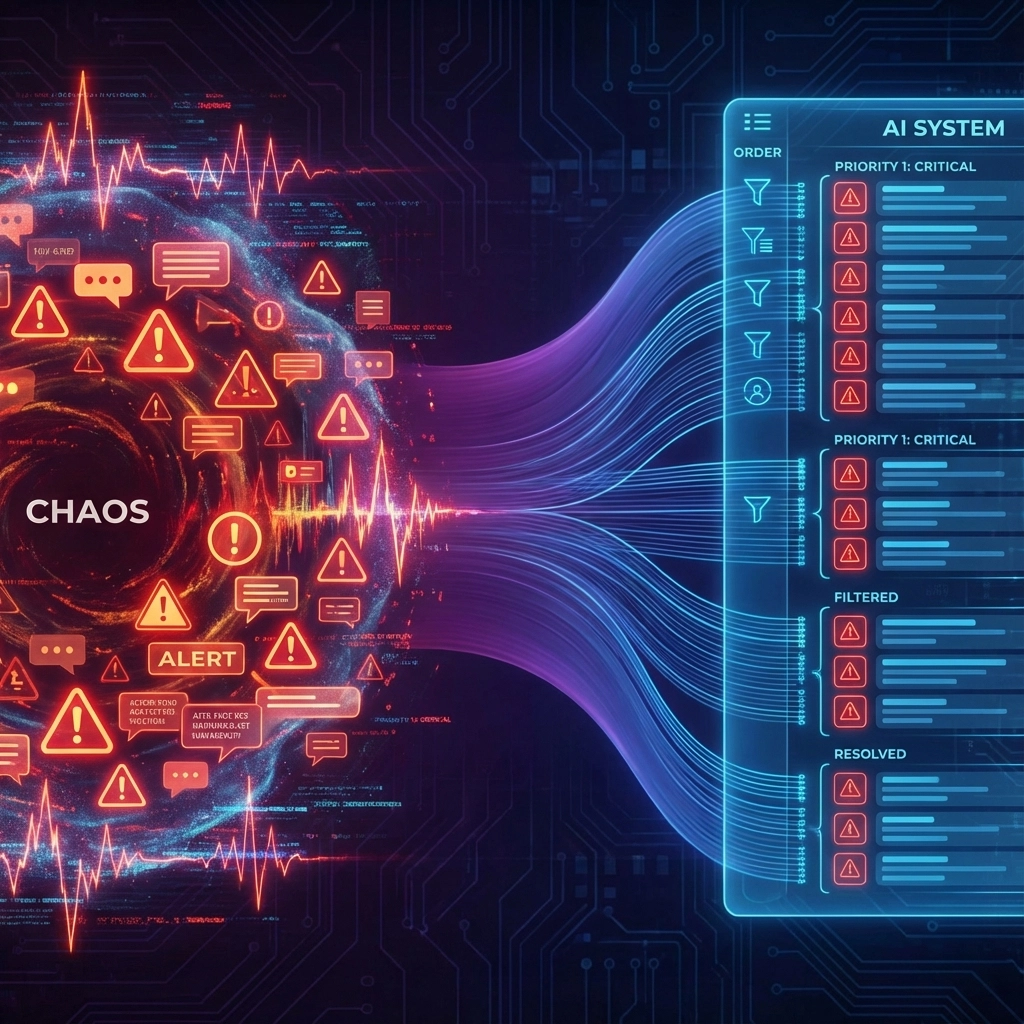
Security teams face alert fatigue from managing thousands of daily notifications, most of which are false positives. Agentic AI investigates each alert, gathers relevant context, determines severity, and presents only genuinely critical issues to human analysts. Low-priority alerts are resolved automatically.
The Business Impact: Speed, Scale, and Accuracy
Organizations implementing agentic AI report transformational improvements in their security operations:
90% Faster Response Times: What once took security analysts hours now happens in seconds. Agentic AI systems can identify, investigate, and contain threats without the delays inherent in human-driven processes.
24/7 Coverage Without Burnout: Unlike human analysts who need breaks and can suffer from fatigue, agentic AI provides consistent, high-quality threat detection and response around the clock.
Dramatic Cost Savings: By automating routine security tasks, organizations can maintain effective security operations without proportionally increasing their security staff: addressing the critical global shortage of skilled cybersecurity professionals.
Improved Accuracy: Agentic AI systems consistently apply sophisticated analytical frameworks, reducing human error in threat identification and response decisions.

Success Stories from the Field
A major financial services company deployed agentic AI to manage their cloud security. The system automatically identifies misconfigurations, applies security patches, and adjusts access controls based on real-time threat intelligence. The result? A 75% reduction in security incidents and improved compliance across their entire cloud infrastructure.
A healthcare organization uses agentic AI for identity and access governance. The system continuously analyzes user behavior patterns and automatically adjusts permissions when it detects suspicious activities. When a doctor's credentials were compromised in a phishing attack, the AI system immediately detected the unusual access patterns and revoked permissions before any patient data could be accessed.
Proactive Defense: Beyond Reactive Security
Perhaps most importantly, agentic AI enables proactive cybersecurity. Instead of just responding to detected threats, these systems actively hunt for vulnerabilities before they're exploited. They use advanced simulation capabilities to model potential attack scenarios, identify weaknesses in security posture, and automatically implement preventative measures.
This shift from reactive to proactive defense represents a fundamental change in how organizations approach cybersecurity. Rather than playing catch-up with attackers, businesses can now anticipate and prevent threats before they cause damage.
Implementation Considerations
While the benefits are clear, successful agentic AI implementation requires careful planning. Organizations need to consider how AI agents will collaborate with human analysts: with machines handling speed and scale while humans guide strategy and make high-level decisions.
Security for the AI systems themselves is also crucial. As these systems become more autonomous, organizations must protect the reasoning processes, memory systems, and action capabilities of their AI agents to prevent them from becoming attack vectors themselves.
The Future is Autonomous
As cyber criminals increasingly weaponize AI for attacks, adopting agentic AI for defense isn't just advantageous: it's becoming essential. Organizations that embrace these autonomous security systems today are building sustainable defensive advantages and positioning themselves to lead the next wave of cyber resilience.
The cybersecurity landscape is evolving rapidly, and traditional approaches are no longer sufficient. Agentic AI represents the next evolutionary step in cybersecurity operations, enabling organizations to defend against sophisticated threats at machine speed while freeing their human analysts to focus on strategic initiatives and complex problem-solving.
For businesses serious about protecting their digital assets, the question isn't whether to adopt agentic AI, but how quickly they can implement these game-changing autonomous security capabilities.
Leave a Reply