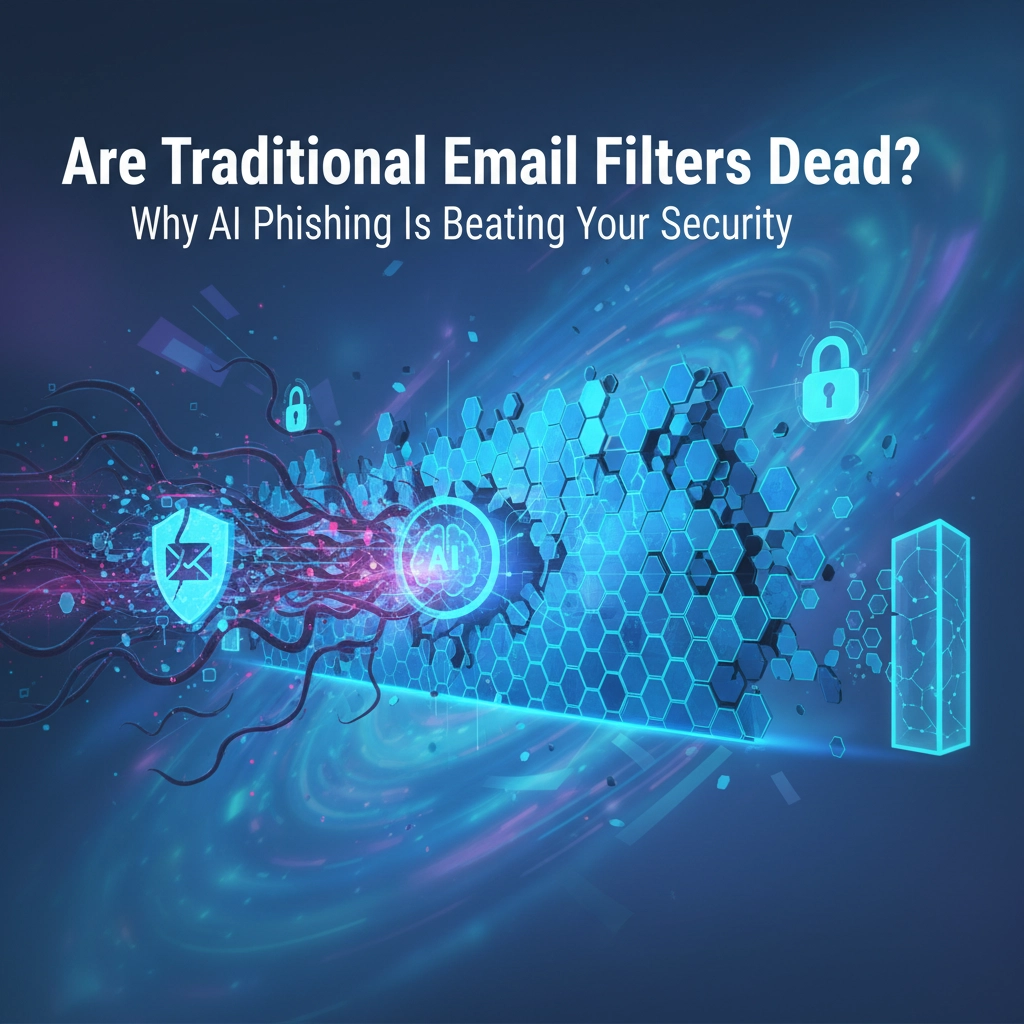
The short answer? Traditional email filters aren't completely dead, but they're on life support. In 2025, we're seeing AI-powered phishing attacks slip past legacy security systems like they're not even there. If you're still relying on the same email filtering tech from a few years ago, you might as well be leaving your front door wide open.
Here's the reality: traditional filters are missing up to 50% of targeted attacks that use artificial intelligence. That's not a small gap – that's a gaping hole in your security.
The AI Phishing Game Has Changed Everything
Remember those obvious phishing emails from Nigeria asking for your bank details? Those days are long gone. Today's cybercriminals are using the same AI technology that powers ChatGPT to create phishing emails that are virtually impossible to distinguish from legitimate business communications.
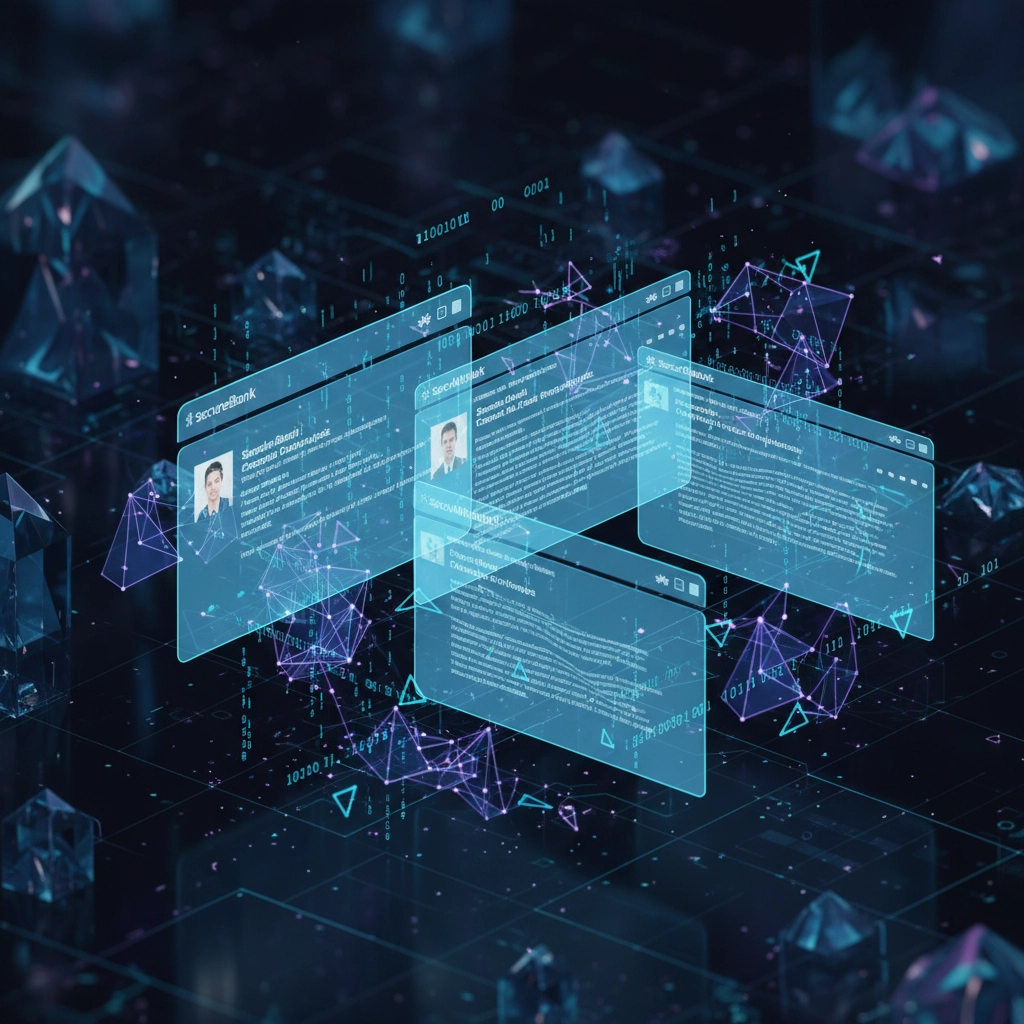
These aren't your typical "Dear Sir/Madam" mass emails anymore. Modern AI-powered phishing attacks:
- Mimic your CEO's writing style by analyzing their previous emails and social media posts
- Create personalized messages based on your company's recent news, projects, or acquisitions
- Adapt their tone and language to match what would feel natural coming from a trusted source
- Generate thousands of unique variations to avoid detection patterns
The scary part? These AI systems are getting better every day, learning from each successful attack and failed attempt.
Why Your Traditional Filters Are Struggling
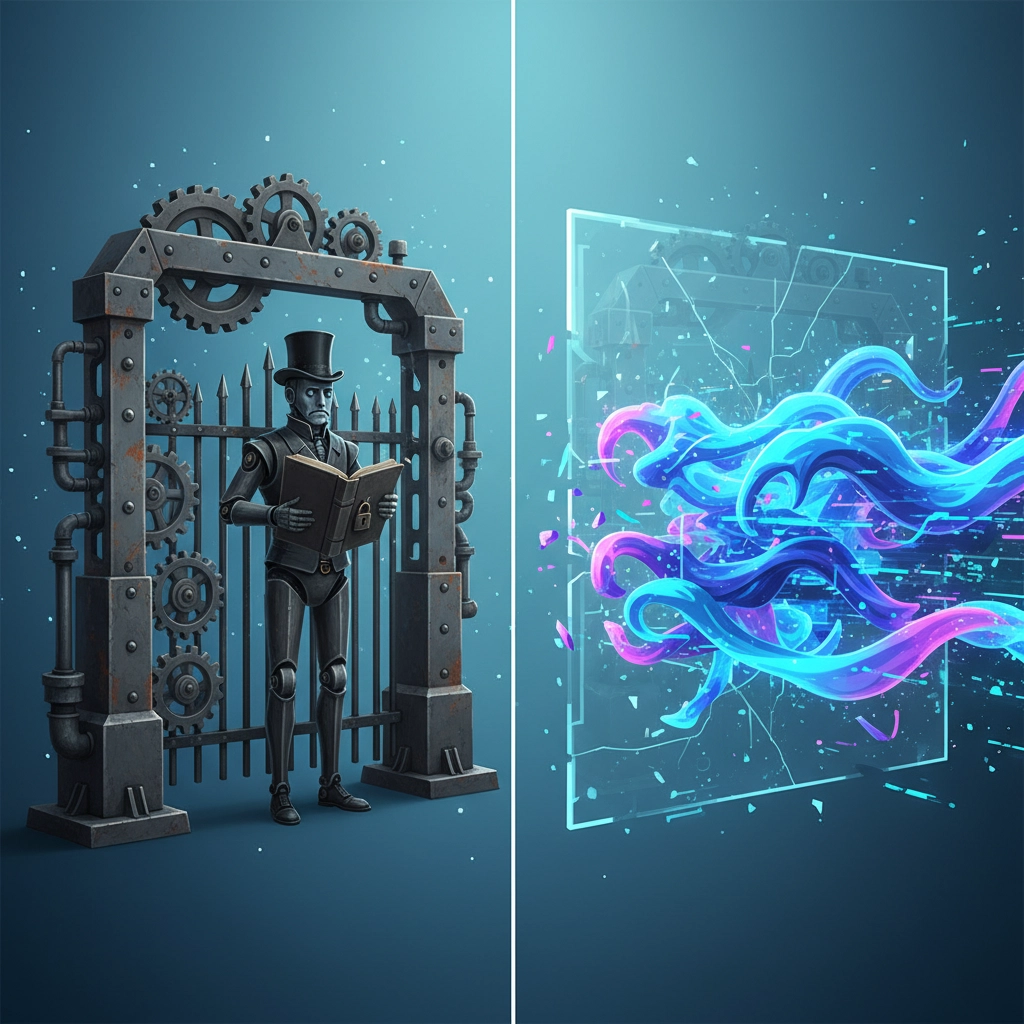
Traditional email security works like a bouncer at a club – it has a list of known troublemakers and checks everyone against it. But what happens when the troublemakers get really good at disguises?
Static Rules Meet Dynamic Threats
Most traditional filters rely on:
- Predetermined keyword lists
- Known sender reputation databases
- Pattern matching for suspicious content
- Basic grammar and spelling checks
The problem is that AI-generated phishing emails can easily sidestep all of these checks. They use proper grammar, come from seemingly legitimate domains, avoid blacklisted keywords, and can even reference real information about your company or industry.
The Speed Problem
While your security team is updating rules and blacklists manually, AI attackers are generating and testing thousands of email variations in real-time. It's like bringing a calculator to a supercomputer fight.
Real Numbers That Should Worry You
Let's talk facts. Traditional Bayesian filters and rule-based systems can achieve impressive accuracy rates – sometimes 95-99% for basic spam detection. Sounds great, right?
But here's where it gets concerning: that high accuracy rate mostly applies to obvious spam and mass-market scams. When we look at sophisticated, targeted attacks designed to fool specific individuals or companies, the miss rate jumps to around 50%.
Think about that for a second. If you received 10 carefully crafted AI-generated phishing emails targeting your business, your traditional filter might only catch 5 of them. The other 5 would land directly in your employees' inboxes, looking perfectly legitimate.
Beyond Just Sneaky Emails
AI-powered attacks aren't stopping at just text-based emails. Cybercriminals are now using:
Deepfake Audio and Video
Imagine receiving an email with a video message from your "CEO" requesting an urgent wire transfer. The voice sounds right, the mannerisms look correct, but it's entirely AI-generated.
QR Code Phishing ("Quishing")
Malicious QR codes embedded in PDFs or images that bypass traditional content scanning because the malicious link is hidden in the visual element, not the text.

Dynamic Content Generation
Emails that pull in real-time information from your company's website, recent press releases, or industry news to make the message feel incredibly current and relevant.
What This Means for Your Business
If you're a small business owner or IT manager still relying primarily on traditional email filtering, you're essentially playing defense with outdated equipment. It's not that these systems are completely worthless – they'll still catch obvious spam and known threats – but they're increasingly inadequate against sophisticated attacks.
The attackers have evolved. They're using machine learning, natural language processing, and advanced automation. Meanwhile, many businesses are still depending on signature-based detection and static rule sets from years ago.
The Human Factor
Even your best-trained employees can't reliably spot AI-generated phishing emails anymore. The old advice about "looking for spelling mistakes" or "checking if the greeting sounds generic" doesn't work when the attacker's AI has analyzed your communication patterns and can perfectly mimic legitimate correspondence.

Annual security training sessions that teach people to spot "obvious" phishing attempts are becoming less effective because modern attacks aren't obvious anymore.
The Response: Fighting AI with AI
The cybersecurity industry isn't sitting still. We're seeing the emergence of AI-powered email security solutions that can match the sophistication of modern attacks. These systems use:
- Behavioral analysis to understand normal communication patterns
- Real-time threat intelligence that updates as new attack methods emerge
- Multi-layered machine learning that can spot subtle anomalies humans would miss
- Continuous learning that adapts to new attack vectors automatically
But here's the catch: there's a dangerous transition period where organizations are vulnerable. If you're not actively upgrading your email security infrastructure, you're essentially giving attackers a free pass.
What You Should Do Right Now
Don't panic, but don't wait either. Here's your action plan:
Audit Your Current Setup
Take an honest look at your email security. If you're relying solely on basic spam filters or rules-based systems that haven't been updated in years, you need an upgrade.
Layer Your Defenses
Traditional filters aren't useless – they should be part of a multi-layered approach. Combine them with AI-powered solutions, user training, and backup verification procedures for sensitive requests.
Test Your Vulnerabilities
Consider running simulated phishing campaigns using AI-generated content to see how well your current systems and staff perform against modern attacks.
The Bottom Line
Traditional email filters aren't completely dead, but they're no longer sufficient on their own. AI has fundamentally changed the phishing game, and businesses that don't adapt their security strategies are increasingly finding themselves outmatched.
The question isn't whether AI will continue to make phishing attacks more sophisticated – it's whether your defenses will evolve fast enough to keep up. In the cybersecurity world, standing still means falling behind, and falling behind means becoming an easy target.
Your email security strategy needs to be as smart as the threats trying to get through it. Because in 2025, that's exactly what you're up against – artificial intelligence designed specifically to outsmart traditional defenses and fool your employees into making costly mistakes.
The choice is clear: evolve your email security or watch AI-powered attacks walk right through your digital front door.
Leave a Reply