Author: penny@cyberlite.io

  • Are Traditional Email Filters Dead? Why AI Phishing Is Beating Your Security

    Are Traditional Email Filters Dead? Why AI Phishing Is Beating Your Security

    The short answer? Traditional email filters aren't completely dead, but they're on life support. In 2025, we're seeing AI-powered phishing attacks slip past legacy security systems like they're not even there. If you're still relying on the same email filtering tech from a few years ago, you might as well be leaving your front door wide open.

    Here's the reality: traditional filters are missing up to 50% of targeted attacks that use artificial intelligence. That's not a small gap – that's a gaping hole in your security.

    The AI Phishing Game Has Changed Everything

    Remember those obvious phishing emails from Nigeria asking for your bank details? Those days are long gone. Today's cybercriminals are using the same AI technology that powers ChatGPT to create phishing emails that are virtually impossible to distinguish from legitimate business communications.
    image_1

    These aren't your typical "Dear Sir/Madam" mass emails anymore. Modern AI-powered phishing attacks:

    • Mimic your CEO's writing style by analyzing their previous emails and social media posts
    • Create personalized messages based on your company's recent news, projects, or acquisitions
    • Adapt their tone and language to match what would feel natural coming from a trusted source
    • Generate thousands of unique variations to avoid detection patterns

    The scary part? These AI systems are getting better every day, learning from each successful attack and failed attempt.

    Why Your Traditional Filters Are Struggling

    Traditional email security works like a bouncer at a club – it has a list of known troublemakers and checks everyone against it. But what happens when the troublemakers get really good at disguises?

    Static Rules Meet Dynamic Threats

    Most traditional filters rely on:

    • Predetermined keyword lists
    • Known sender reputation databases
    • Pattern matching for suspicious content
    • Basic grammar and spelling checks

    The problem is that AI-generated phishing emails can easily sidestep all of these checks. They use proper grammar, come from seemingly legitimate domains, avoid blacklisted keywords, and can even reference real information about your company or industry.

    image_2

    The Speed Problem

    While your security team is updating rules and blacklists manually, AI attackers are generating and testing thousands of email variations in real-time. It's like bringing a calculator to a supercomputer fight.

    Real Numbers That Should Worry You

    Let's talk facts. Traditional Bayesian filters and rule-based systems can achieve impressive accuracy rates – sometimes 95-99% for basic spam detection. Sounds great, right?

    But here's where it gets concerning: that high accuracy rate mostly applies to obvious spam and mass-market scams. When we look at sophisticated, targeted attacks designed to fool specific individuals or companies, the miss rate jumps to around 50%.

    Think about that for a second. If you received 10 carefully crafted AI-generated phishing emails targeting your business, your traditional filter might only catch 5 of them. The other 5 would land directly in your employees' inboxes, looking perfectly legitimate.

    Beyond Just Sneaky Emails

    AI-powered attacks aren't stopping at just text-based emails. Cybercriminals are now using:

    Deepfake Audio and Video
    Imagine receiving an email with a video message from your "CEO" requesting an urgent wire transfer. The voice sounds right, the mannerisms look correct, but it's entirely AI-generated.

    QR Code Phishing ("Quishing")
    Malicious QR codes embedded in PDFs or images that bypass traditional content scanning because the malicious link is hidden in the visual element, not the text.

    image_3

    Dynamic Content Generation
    Emails that pull in real-time information from your company's website, recent press releases, or industry news to make the message feel incredibly current and relevant.

    What This Means for Your Business

    If you're a small business owner or IT manager still relying primarily on traditional email filtering, you're essentially playing defense with outdated equipment. It's not that these systems are completely worthless – they'll still catch obvious spam and known threats – but they're increasingly inadequate against sophisticated attacks.

    The attackers have evolved. They're using machine learning, natural language processing, and advanced automation. Meanwhile, many businesses are still depending on signature-based detection and static rule sets from years ago.

    The Human Factor

    Even your best-trained employees can't reliably spot AI-generated phishing emails anymore. The old advice about "looking for spelling mistakes" or "checking if the greeting sounds generic" doesn't work when the attacker's AI has analyzed your communication patterns and can perfectly mimic legitimate correspondence.

    image_4

    Annual security training sessions that teach people to spot "obvious" phishing attempts are becoming less effective because modern attacks aren't obvious anymore.

    The Response: Fighting AI with AI

    The cybersecurity industry isn't sitting still. We're seeing the emergence of AI-powered email security solutions that can match the sophistication of modern attacks. These systems use:

    • Behavioral analysis to understand normal communication patterns
    • Real-time threat intelligence that updates as new attack methods emerge
    • Multi-layered machine learning that can spot subtle anomalies humans would miss
    • Continuous learning that adapts to new attack vectors automatically

    But here's the catch: there's a dangerous transition period where organizations are vulnerable. If you're not actively upgrading your email security infrastructure, you're essentially giving attackers a free pass.

    What You Should Do Right Now

    Don't panic, but don't wait either. Here's your action plan:

    Audit Your Current Setup
    Take an honest look at your email security. If you're relying solely on basic spam filters or rules-based systems that haven't been updated in years, you need an upgrade.

    Layer Your Defenses
    Traditional filters aren't useless – they should be part of a multi-layered approach. Combine them with AI-powered solutions, user training, and backup verification procedures for sensitive requests.

    Test Your Vulnerabilities
    Consider running simulated phishing campaigns using AI-generated content to see how well your current systems and staff perform against modern attacks.

    image_5

    The Bottom Line

    Traditional email filters aren't completely dead, but they're no longer sufficient on their own. AI has fundamentally changed the phishing game, and businesses that don't adapt their security strategies are increasingly finding themselves outmatched.

    The question isn't whether AI will continue to make phishing attacks more sophisticated – it's whether your defenses will evolve fast enough to keep up. In the cybersecurity world, standing still means falling behind, and falling behind means becoming an easy target.

    Your email security strategy needs to be as smart as the threats trying to get through it. Because in 2025, that's exactly what you're up against – artificial intelligence designed specifically to outsmart traditional defenses and fool your employees into making costly mistakes.

    The choice is clear: evolve your email security or watch AI-powered attacks walk right through your digital front door.
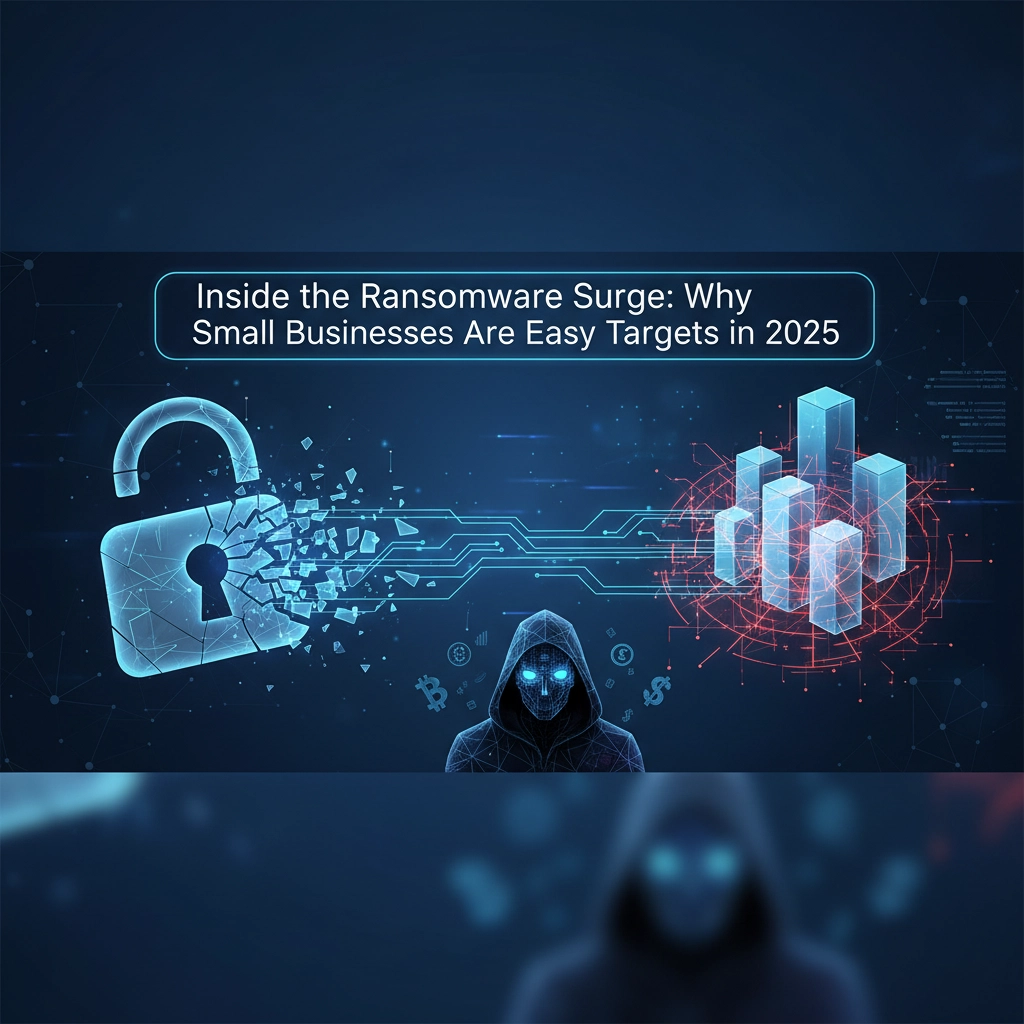

  • Inside the Ransomware Surge: Why Small Businesses Are Easy Targets in 2025

    Inside the Ransomware Surge: Why Small Businesses Are Easy Targets in 2025

    Here's a sobering truth: if you run a small business in 2025, you're not just a target for cybercriminals: you're the target. And frankly, it's not even close.

    While Fortune 500 companies are building digital fortresses with billion-dollar budgets, small businesses are sitting ducks with "Welcome" mats rolled out for hackers. The numbers don't lie: 75% of small businesses couldn't survive a ransomware attack. That's not a statistic: that's a death sentence waiting to happen.

    So why are cybercriminals suddenly obsessed with your local bakery, dental practice, or marketing agency? The answer is brutally simple: you're profitable, vulnerable, and everywhere.

    The Perfect Storm: Why 2025 is Ransomware's Golden Year for SMBs

    Think like a criminal for a moment. Would you rather spend months trying to crack a heavily fortified enterprise system with a dedicated security team, or would you target hundreds of small businesses with virtually no defenses?

    Small businesses face a 350% higher attack rate compared to larger enterprises. Companies with fewer than 100 employees receive one targeted malicious email for every 323 messages. Meanwhile, 88% of all data breaches in SMBs are ransomware attacks: compared to just 39% in large enterprises.

    The math is simple: small risk, big reward, endless targets.

    image_1

    The Vulnerability Buffet: What Makes SMBs So Deliciously Easy to Hack

    1. The "We're Too Small to Target" Myth

    This might be the most expensive lie small business owners tell themselves. Cybercriminals aren't targeting you because you're small: they're targeting you because you're small. You have the assets they want (customer data, financial information, business operations) without the security infrastructure to protect them.

    2. Outdated Everything

    When was the last time you updated your software? If you had to think about it, you're already in trouble. SMBs routinely delay security patches because they're afraid of disrupting operations or can't afford downtime. Meanwhile, hackers are literally maintaining databases of unpatched systems, waiting for the perfect moment to strike.

    3. The Human Factor

    Here's where it gets really ugly. Compromised credentials are the #1 technical cause of ransomware attacks on small businesses. Your employees are using "Password123" and clicking on every email that looks remotely legitimate. Without dedicated cybersecurity training, your team is essentially leaving the front door open with a sign that says "Rob Me."

    4. No Security Personnel = No Security

    Only 17% of small businesses even carry cyber insurance. 27% of small businesses with zero cybersecurity protections are collecting customer credit card information. Let that sink in for a moment.

    The New Attack Playbook: How Ransomware-as-a-Service Changed Everything

    Welcome to 2025, where becoming a cybercriminal is easier than opening a food truck. Ransomware-as-a-Service (RaaS) platforms have democratized cybercrime, complete with customer support, how-to tutorials, and user-friendly dashboards.

    image_2

    Think Uber, but for extortion. These platforms mean that any teenager with basic computer skills can launch sophisticated attacks that would have required years of expertise just a decade ago. The barriers to entry have disappeared, and small businesses are paying the price.

    The Attack Tactics Keeping SMBs Up at Night

    Social Engineering on Steroids

    Remember when phishing emails looked like they were written by someone who learned English from a cereal box? Those days are gone. Social engineering attacks surged 135% in early 2023, and AI has made them virtually indistinguishable from legitimate communications.

    The Supply Chain Backdoor

    Here's the really insidious part: hackers aren't just targeting you for your data. They're targeting you to get to your bigger clients. Small businesses serve as the unlocked backdoor to enterprise networks. Your vulnerability becomes everyone's problem.

    Lightning-Fast Deployment

    Modern ransomware can encrypt your entire network in under an hour. By the time you realize something's wrong, it's already too late.

    The Real Cost: Why "It Won't Happen to Us" is Business Suicide

    Let's talk numbers that'll make your accountant cry:

    • Average recovery cost: $84,000
    • Average annual loss: $1.6 million
    • 60% of attacked businesses lose revenue
    • 53% suffer permanent brand damage

    But here's the kicker: these are the businesses that survived. Remember that 75% statistic? Three out of four small businesses hit by ransomware simply cease to exist.

    image_3

    Fighting Back: Your Action Plan for 2025

    The good news? You're not helpless. The bad news? Doing nothing is no longer an option.

    Get Strategic Leadership (Enter the vCISO)

    You don't need a full-time Chief Information Security Officer: you need the expertise without the six-figure salary. A virtual CISO (vCISO) gives you strategic security leadership tailored to your business size and budget. Think of it as having a cybersecurity expert on speed dial who actually understands small business constraints.

    Know Your Weak Spots Before Hackers Do

    Penetration testing isn't just for big corporations anymore. It's like hiring a professional burglar to break into your house: except they tell you exactly how they did it and how to fix it. In 2025, you can't afford to guess where your vulnerabilities are.

    24/7 Digital Bodyguards

    Security Operations Center (SOC) monitoring used to be an enterprise luxury. Now it's small business survival. Think of it as having a digital security team watching your network around the clock, ready to shut down attacks before they can destroy your business.

    When Things Go Wrong, You Need More Than Just IT Help

    Here's what nobody tells you: when ransomware hits, you're not just dealing with a technical problem: you're dealing with a legal nightmare. Legal expert services specialized in cybersecurity can mean the difference between recovering and going bankrupt. Data breach notifications, regulatory compliance, customer communications: it's a minefield that requires expertise.

    Your 5-Minute Security Checkup

    Answer these honestly:

    1. When did you last update all your business software?
    2. Do all employees use unique, strong passwords and two-factor authentication?
    3. When did you last train employees on identifying phishing attacks?
    4. Do you have automated backups tested within the last 30 days?
    5. Do you have cyber insurance that actually covers ransomware?

    If you hesitated on any of these, you're not ready for 2025's threat landscape.

    image_4

    The Bottom Line: Survival Isn't Optional

    Small businesses in 2025 face an existential choice: invest in cybersecurity or plan your going-out-of-business sale. The days of hoping you're too small to notice are over. You're not flying under the radar: you're the primary target.

    The ransomware surge isn't coming. It's here. It's profitable. And it's specifically designed to put you out of business.

    But here's the thing about being a small business owner: you're scrappy, resourceful, and you don't give up easily. You've survived economic downturns, supply chain disasters, and global pandemics. You can survive cybercriminals too: but only if you take action now.

    Because in the world of ransomware, there are two types of businesses: those that have been attacked and those that will be attacked. The question isn't if: it's when, and whether you'll be ready.

    Don't become another statistic. Your business, your employees, and your customers are depending on you to get this right.

    Ready to stop being an easy target? Visit CyberLite to learn how our comprehensive cybersecurity solutions can protect your small business from the ransomware surge.

  • Struggling With AI Threats? 50+ Ways Cybercriminals Are Already Targeting Your Company Right Now

    Struggling With AI Threats? 50+ Ways Cybercriminals Are Already Targeting Your Company Right Now

    Think AI threats are just science fiction? Think again. While you're reading this, cybercriminals are using artificial intelligence to launch 1,265% more phishing attacks than last year. And that's just the tip of the iceberg.

    The reality is harsh: 93% of security leaders expect daily AI-powered attacks within six months. Your business isn't just a potential target: it's already in the crosshairs.

    The Social Engineering Revolution

    Email and Phishing Warfare

    1. Personalized phishing emails that mimic your writing style by analyzing your social media posts
    2. Grammar-perfect scam messages that bypass traditional spam filters
    3. Contextual phishing using details from your recent meetings or projects
    4. Multi-language phishing automatically translated to target global teams
    5. Sentiment analysis attacks that gauge the best emotional triggers for each victim
    6. Business email compromise (BEC) with AI-generated executive impersonation
    7. Spear-phishing campaigns targeting specific departments with industry jargon
    8. Supply chain phishing mimicking trusted vendor communications

    Voice and Video Deception

    1. CEO voice cloning for urgent wire transfer requests
    2. Deepfake video calls impersonating executives during "emergency" meetings
    3. Real-time voice synthesis during live phone conversations
    4. Audio deepfakes of family members in distress (targeting executives personally)

    image_1

    Malware Gets Smarter

    Adaptive Malicious Code

    1. Self-modifying malware that evolves to avoid detection
    2. AI-written ransomware with improved encryption methods
    3. Polymorphic viruses that change their code structure hourly
    4. Living-off-the-land attacks using legitimate tools maliciously
    5. Fileless malware that exists only in memory
    6. Targeted payload delivery based on victim profiling

    Automated Attack Development

    1. Code generation for zero-day exploits
    2. Vulnerability exploitation scripts created in minutes
    3. Custom malware tailored to specific company infrastructures
    4. Evasion techniques automatically generated to bypass security tools

    Reconnaissance on Steroids

    Intelligence Gathering

    1. LinkedIn scraping for organizational charts and employee details
    2. Social media analysis to build psychological profiles
    3. Website crawling for technology stack identification
    4. Job posting analysis to understand internal tools and processes
    5. Public records mining for business relationships and financial data
    6. Dark web monitoring of your company's exposed credentials

    Target Selection

    1. Vulnerability scanning with AI-powered prioritization
    2. Network mapping using machine learning pattern recognition
    3. Behavioral analysis to identify high-value targets
    4. Timing optimization for maximum impact attacks

    image_2

    Credential Carnage

    Password and Authentication Attacks

    1. Advanced password cracking using pattern prediction
    2. Credential stuffing at massive scale
    3. MFA bypass techniques using social engineering
    4. Session hijacking with predictive algorithms
    5. Biometric spoofing using deepfake technology
    6. Token theft through AI-powered browser exploitation

    Direct AI System Attacks

    When Your AI Becomes the Target

    1. Data poisoning of your machine learning models
    2. Model inversion attacks to steal training data
    3. Adversarial examples that fool AI security systems
    4. Evasion attacks that slip past AI-powered defenses
    5. Membership inference to determine if data was used in training
    6. Model stealing through query-based extraction
    7. Backdoor attacks embedded in AI model updates

    The New Ransomware Reality

    AI-Enhanced Extortion

    1. Smart target selection based on payment likelihood
    2. Dynamic ransom pricing adjusted by company valuation
    3. Data exfiltration optimization targeting most valuable information
    4. Automated negotiation bots for ransom discussions
    5. Double-extortion campaigns with AI-curated data leaks

    Supply Chain Warfare

    1. Third-party compromise through vendor AI systems
    2. Software supply chain attacks targeting development tools
    3. Cloud service exploitation through shared AI resources

    The Human Factor Amplified

    1. Deepfake customer service calls requesting account changes
    2. AI chatbot impersonation of legitimate support channels
    3. Synthetic identity creation for new account fraud
    4. Real-time conversation manipulation during video calls

    image_3

    Why Traditional Security Isn't Enough

    Here's the problem: while these 57+ attack methods multiply daily, most businesses are still fighting yesterday's wars. Traditional signature-based security tools can't keep up with AI that learns and adapts faster than security teams can respond.

    Consider this: 40% of all business-targeted phishing emails are now AI-generated, and 60% of recipients fall for them. That's not a technology problem: it's a human problem amplified by artificial intelligence.

    Your Defense Strategy Starts Now

    The good news? You're not defenseless. But you need to fight smart, not just hard.

    Immediate Actions:

    Get Expert Eyes on Your Systems
    A Virtual CISO can assess your AI threat landscape without the overhead of a full-time executive. CyberLite's vCISO services provide strategic oversight tailored to AI-era threats.

    Test Your Defenses
    Regular penetration testing now needs to include AI-powered attack simulations. How would your team respond to a deepfake CEO calling for an emergency wire transfer?

    Monitor Everything, Everywhere
    A 24/7 Security Operations Center (SOC) can spot AI-powered attacks that happen at machine speed: faster than any human could react.

    Know Your Legal Position
    Understanding liability and compliance requirements for AI-related breaches isn't optional anymore. Legal preparation can save millions in regulatory fines and lawsuits.

    The Bottom Line

    Every day you delay strengthening your defenses, cybercriminals are getting smarter, faster, and more targeted. The 57+ attack methods listed here aren't theoretical: they're happening right now, possibly to your business.

    But here's what separates thriving businesses from victims: they don't wait for the perfect solution. They take action with the best available defenses and continuously improve.

    The question isn't whether AI-powered attacks will target your business. The question is: will you be ready when they do?

    Ready to strengthen your AI-era defenses? Contact CyberLite today to discuss how our vCISO, penetration testing, SOC, and legal services can protect your business against these evolving threats. Because in the age of AI, yesterday's security is today's vulnerability.

  • Why Cybersecurity Expert Witnesses Are Now Essential in the Age of AI: Legal Cases & The Role of CyberLite

    Why Cybersecurity Expert Witnesses Are Now Essential in the Age of AI: Legal Cases & The Role of CyberLite

    The legal landscape has changed dramatically. What once required simple contract disputes or basic evidence review now involves complex AI algorithms, sophisticated cyber attacks, and digital forensics that most lawyers can't navigate alone. Courts are seeing an unprecedented surge in cases where cybersecurity expertise isn't just helpful: it's absolutely critical for justice.

    The Perfect Storm: Why Expert Witnesses Are More Critical Than Ever

    Legal professionals are facing a reality where technical complexity meets high-stakes litigation. Data breaches cost companies millions, AI bias affects hiring decisions, and cyberattacks can shut down entire healthcare systems. When these issues land in courtroom, judges and juries need someone who can translate the technical chaos into clear, credible testimony.

    The numbers tell the story. Cybersecurity-related litigation has increased by over 300% since 2020, and AI-related legal disputes are projected to triple by 2027. Yet most law firms lack the in-house expertise to handle these cases effectively.

    image_1

    AI Technology's Game-Changing Impact on Legal Proceedings

    Artificial intelligence has fundamentally altered how evidence is collected, analyzed, and presented in court. Here's what's happening:

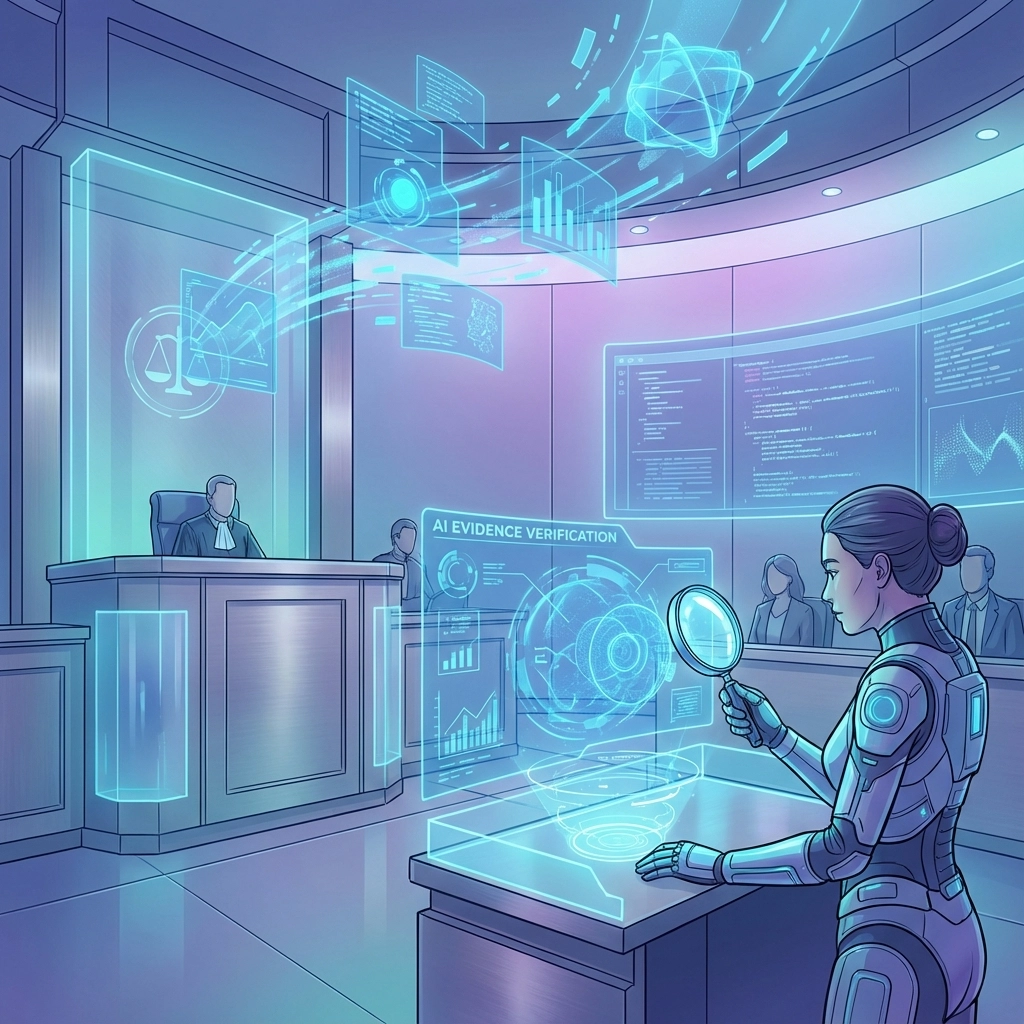
    AI-Generated Evidence Verification: Courts now require experts to verify that AI-generated content is accurate and wasn't the result of AI hallucinations. In the recent Kohls v. Ellison case, a Stanford professor's declaration was completely excluded because it contained fabricated citations generated by GPT-4o.

    Algorithmic Bias Claims: Companies face lawsuits alleging their AI systems discriminate against protected classes. These cases require experts who understand both the technical aspects of machine learning and the legal standards for discrimination.

    AI Intellectual Property Theft: When companies steal AI models or training data, proving the theft requires deep technical knowledge of how AI systems work and how to identify copied algorithms.

    Deepfake Evidence: Courts are grappling with fake audio and video evidence created by AI. Expert witnesses must help determine authenticity and explain the technology behind these sophisticated fakes.

    Legal Matters That Demand Cybersecurity Expertise Today

    The scope of cases requiring cybersecurity expert testimony has exploded beyond traditional data breach litigation:

    Data Breach Incident Response: When companies face lawsuits after a breach, experts must explain what happened, whether the response was adequate, and if industry standards were followed.

    Regulatory Compliance Failures: GDPR, CCPA, HIPAA, and other regulations create complex requirements. Expert witnesses help courts understand whether companies met their obligations.

    AI Bias and Algorithmic Transparency: Employment, lending, and housing discrimination cases increasingly involve AI systems. Experts must explain how algorithms work and whether they produce biased outcomes.

    Supply Chain Security: When vendors cause security issues, experts help determine liability and explain complex vendor relationships.

    Digital Forensics: Recovering deleted data, analyzing network logs, and reconstructing cyber attacks requires specialized expertise that most legal teams lack.

    image_2

    Why Courts and Lawyers Need Independent Cybersecurity Experts

    Legal professionals increasingly recognize they can't handle technical cybersecurity matters alone. Here's why independent expert witnesses are essential:

    Credibility with Technical Juries: Technology workers now serve on juries regularly. They can spot when lawyers don't understand the technology, making credible expert testimony crucial.

    Complex Technical Standards: Cybersecurity involves hundreds of technical standards, frameworks, and best practices. Experts help courts understand which standards apply and whether they were followed.

    Rapid Technology Evolution: AI, cloud computing, and cybersecurity change monthly. Expert witnesses stay current with developments that could affect legal outcomes.

    Translation Services: The best expert witnesses translate complex technical concepts into language that judges, juries, and opposing counsel can understand.

    Independent Verification: Courts trust expert witnesses more than company employees or vendors who may have conflicts of interest.

    High-Profile Cases Where Expert Witnesses Changed Outcomes

    Recent cases demonstrate how cybersecurity expert testimony can determine legal outcomes:

    Equifax Settlement: Expert witnesses helped establish that Equifax's security practices fell below industry standards, contributing to a $700 million settlement.

    SolarWinds Supply Chain Attack: Ongoing litigation relies heavily on expert testimony about supply chain security standards and whether SolarWinds met industry expectations.

    AI Hiring Bias Cases: Multiple employment discrimination cases now turn on expert testimony about whether AI hiring systems produce biased results and whether companies adequately tested for bias.

    image_3

    The Growing Challenge: AI Evidence Verification

    Courts are establishing new requirements for AI-generated evidence that make expert witnesses essential:

    Disclosure Requirements: Experts must now disclose any AI tool usage in their analysis and verify all AI-generated content.

    Frye Hearings: Some courts require separate hearings to determine whether AI-generated evidence meets admissibility standards.

    Chain of Custody: When AI analyzes evidence, experts must explain the AI's methodology and verify its reliability.

    Expert Qualification: Courts increasingly require that expert witnesses understand AI limitations and can identify AI hallucinations or errors.

    CyberLite's Unique Value in Legal Expert Services

    CyberLite brings a rare combination of deep technical expertise and legal experience that makes us uniquely qualified for expert witness services. Our team understands both cutting-edge cybersecurity technology and the rigorous standards courts demand.

    Comprehensive AI and Cybersecurity Expertise: Our experts stay current with the latest AI developments while maintaining deep knowledge of traditional cybersecurity practices. We can explain everything from machine learning algorithms to network security protocols in clear, compelling testimony.

    Proven Legal Experience: We've testified in high-stakes cases and understand how to present technical evidence persuasively. Our experts know how to withstand cross-examination and communicate complex concepts to non-technical audiences.

    Industry-Specific Knowledge: Our team has experience across healthcare, financial services, manufacturing, and technology sectors. We understand industry-specific regulations and standards that could affect your case.

    End-to-End Support: From initial case evaluation through deposition and trial testimony, we provide comprehensive support. Our cybersecurity services include incident response, compliance assessments, and digital forensics that inform our expert testimony.

    image_4

    The Future of Cybersecurity Expert Testimony

    As AI technology continues evolving, the need for qualified cybersecurity expert witnesses will only grow. We're already seeing new categories of cases emerging:

    AI Model Theft: Cases involving stolen machine learning models require experts who understand how to identify copied algorithms and quantify damages.

    Autonomous System Failures: As AI systems make more independent decisions, expert witnesses will need to explain why systems failed and whether proper safeguards existed.

    Quantum Computing Threats: The eventual arrival of quantum computing will require experts who understand both current cryptography and quantum-resistant alternatives.

    AI Regulatory Compliance: New AI regulations will create additional opportunities for expert testimony about compliance and best practices.

    Taking Action: When Your Case Needs Cybersecurity Expertise

    If you're handling a case involving cybersecurity or AI technology, don't wait until depositions start to find expert witnesses. Early engagement allows experts to:

    • Review evidence while it's still fresh
    • Identify additional evidence that might be needed
    • Help develop case strategy based on technical realities
    • Prepare more compelling testimony

    The stakes are too high to rely on generic technology experts or to try handling technical matters without proper expertise. Courts expect rigorous analysis, and opposing counsel will attack any technical weaknesses.

    CyberLite's expert witness services provide the credible, comprehensive technical testimony your case needs. Our team combines deep technical knowledge with proven legal experience, helping you navigate complex cybersecurity and AI cases with confidence.

    Contact our expert services team to discuss your case requirements and learn how our cybersecurity expertise can strengthen your legal strategy. In today's technology-driven legal environment, having the right expert witness isn't optional; it's essential for success.

  • Strategic Security on Demand: Why a vCISO is the Smart Play for Growing Businesses

    Strategic Security on Demand: Why a vCISO is the Smart Play for Growing Businesses

    Growth is an exciting time for any business. You’re hitting new revenue milestones, expanding the team, and maybe even eyeing a new market. But as your footprint grows, so does your target. Suddenly, the "basic" security measures you had in place when you were a five-person shop aren't just insufficient, they’re a liability.

    Most mid-sized companies eventually hit a "security wall." You know you need high-level leadership to navigate things like SOC2 audits, complex vendor questionnaires, and board-level risk reporting. But hiring a full-time Chief Information Security Officer (CISO) is a heavy lift. We’re talking about a $250,000+ salary, plus benefits, bonuses, and equity. For many growing firms, that’s just not in the cards, nor is it actually necessary yet.

    This is where the Virtual CISO (vCISO) comes in. It’s the "smart play" for businesses that need executive-level security strategy without the executive-level price tag.

    At CyberLite, we see this transition every day. Let’s break down why this model is becoming the standard for the modern, agile enterprise.

    The CISO Gap: Why SMBs Get Stuck

    Typically, a business doesn’t truly need a dedicated, full-time CISO until they hit the 80–100 employee mark. Before that, security usually falls into the lap of the CTO, a Lead Developer, or even the CEO.

    The problem? Those people are already at 110% capacity. When security is "part of someone’s job," it usually means the focus is on reactive tasks, fixing a broken firewall or resetting passwords, rather than proactive strategy.

    A vCISO fills that gap. You get the brainpower of a seasoned security veteran who has seen it all, but you only pay for the time you actually use. It’s strategic security on demand.

    Digital bridge connecting technology circuits to a modern skyscraper, representing vCISO strategic security leadership.

    1. Cost Efficiency: Redirecting Your Capital

    Let’s be real: budget is always a factor. A full-time CISO isn’t just a salary; it’s a massive investment in recruitment, retention, and ongoing training.

    By opting for a vCISO, you can effectively slash your leadership costs by 60–70%. Instead of pouring that capital into a single executive’s salary, you can reinvest it back into the business, hiring more engineers, boosting your marketing spend, or investing in the actual security tools (like MDR or SOC services) that your vCISO recommends.

    You get elite expertise for the price of a mid-level manager. That’s not just a budget win; it’s a competitive advantage.

    2. Speed to Compliance (And Revenue)

    If you’re in B2B, you’ve probably felt the "Sales Stalling" effect. You’re about to close a major deal with an enterprise client, and then their legal team drops a 200-question security assessment on your desk.

    If you don't have a clear security posture, that deal could sit in limbo for months.

    A vCISO acts as an accelerator. They don’t just help you fill out the forms; they build the underlying programs that make the answers easy. Whether it’s HIPAA, PCI DSS, or GDPR, a vCISO can shorten your audit readiness timeline from months to just a few weeks.

    When security becomes a "Yes" instead of a "Let me check on that," your sales team closes faster. You can even use our risk assessment tool to see where you stand right now.

    Cybersecurity budget allocation represented by glowing digital streams flowing into protective shield and data icons.

    3. Scaling at the Speed of Your Business

    The beauty of a "virtual" model is its elasticity.

    Maybe this month you’re going through a merger and acquisition. You need 20 hours a week of high-level oversight to ensure the new infrastructure doesn't introduce vulnerabilities. Next month, things settle down, and you only need 5 hours for routine policy review.

    A full-time hire doesn’t scale down. A vCISO does. This flexibility ensures that your security spend always matches your current risk profile. As you grow, the service grows with you. If you reach a point where a full-time hire makes sense, a good vCISO will even help you hire and onboard their permanent replacement.

    4. More Than Just "IT Support"

    There is a common misconception that a CISO is just a "senior IT guy." That’s a mistake.

    While IT focuses on functionality (making sure the systems work), a CISO focuses on risk (making sure the business is protected). A vCISO brings a seat to the executive table. They can translate technical threats into business terms for the board of directors.

    They look at the big picture:

    • Incident Response Planning: What happens when (not if) a breach occurs?
    • Vendor Risk Management: Are your third-party tools exposing you to danger?
    • Security Culture: Training your staff so they don’t click that phishing link.

    For a deeper dive into how modern threats are evolving, check out our recent post on the rise of AI agents in cybersecurity.

    A futuristic holographic security dashboard in a boardroom showing global threat intelligence and risk management layers.

    5. Cross-Industry Intelligence

    When you hire one person, you get one person’s experience. When you engage a vCISO through a firm like CyberLite, you’re getting the collective intelligence of an entire team.

    Our vCISOs work across multiple industries. They see the threats hitting healthcare on Tuesday and apply those lessons to their fintech clients on Wednesday. This cross-pollination of knowledge means you are protected against emerging threats before they even reach your specific sector.

    How to Get Started

    You don't need a million-dollar budget to have world-class security. You just need a smarter strategy.

    The first step isn't hiring a new executive or buying a dozen new software licenses. The first step is understanding where your holes are. We recommend starting with a professional gap analysis to see exactly where a vCISO could have the most immediate impact on your bottom line and your peace of mind.

    Stop treating security as a "someday" project. As your business grows, your risks grow with it. Make the smart play.

    A luminous digital pathway showing a secure foundation and roadmap for growing businesses to manage cyber risks.

    Ready to see how strategic security can drive your growth?
    Book a security assessment at CyberLite today.


    LinkedIn Post (For Clifford Vazquez)

    Headline: Why hiring a $250k CISO might be your biggest mistake this year.

    Growth is great, but it brings a messy side effect: Security Debt.

    Most growing businesses reach a point where "basic" security isn't enough. You start getting hit with massive vendor questionnaires and audit requirements (SOC2, anyone?).

    But do you really need a full-time, six-figure executive sitting in an office 40 hours a week? Probably not.

    Enter the vCISO (Virtual CISO).

    It’s the "Smart Play" because:
    ✅ You get executive-level strategy at a fraction of the cost.
    ✅ It scales up or down based on your actual needs.
    ✅ It unblocks your sales team by handling complex compliance requests.

    At CyberLite, we help companies bridge the gap between "scrappy startup" and "secure enterprise."

    Don't let security be the thing that slows your momentum.

    Read the full breakdown on the blog: [Link]

    #CyberSecurity #vCISO #BusinessGrowth #TechLeadership #CyberLite


    Email Snippet

    Subject: The "Security Wall" and how to climb it

    Hi [Name],

    As businesses scale, they almost always hit a "security wall."

    It’s that moment when your customers start asking for SOC2 reports, or your board starts asking about "cyber resilience," and you realize your current IT setup isn't built for that level of scrutiny.

    The traditional answer was to hire a full-time CISO, but for many growing firms, that’s a massive, unnecessary expense.

    We just published a new guide on the vCISO (Virtual CISO) model. It’s a way to get executive-level security leadership on demand. Think of it as having a security expert on speed dial, without the $250k salary.

    In this post, we cover:

    • How a vCISO can speed up your sales cycle.
    • The math behind fractional vs. full-time leadership.
    • Why "security" is different from "IT."

    You can read the full post here: [Link]

    Best,

    Clifford Vazquez
    CEO, CyberLite


    Sales Objection Card

    Objection: "A vCISO won't know our company culture or internal systems as well as a full-time hire would."

    Response: "That’s a fair concern. However, a vCISO isn't just an external consultant; they act as an embedded member of your leadership team. Because they are focused purely on strategy and risk: not day-to-day IT tickets: they often gain a more objective view of your systemic risks than someone 'in the weeds.' We use a structured onboarding process to ensure we align with your culture and goals from day one."

    Proof Angle: "In fact, many of our clients find that because we work across multiple industries, we bring a broader perspective on 'what works' than a single hire could. We recently helped a growing SaaS firm achieve SOC2 compliance in just 8 weeks: a process their internal team had been struggling with for over six months because they lacked that specific executive oversight."

  • Beyond the Firewall: Why 24/7 SOC Monitoring is the New Standard for Business Survival

    Beyond the Firewall: Why 24/7 SOC Monitoring is the New Standard for Business Survival

    Let’s be honest for a second: most business leaders don’t spend their Sunday evenings thinking about their firewall logs. You’re likely thinking about Monday’s meetings, revenue targets, or maybe just trying to enjoy the last few hours of the weekend.

    But here’s the reality: while you’re powering down, cybercriminals are powering up.

    In the old days of cybersecurity, we relied on a "perimeter" strategy. You built a big digital wall (a firewall), installed some antivirus on everyone’s laptops, and called it a day. If someone tried to break in, the wall would stop them. Simple, right?

    Not anymore. Today’s threats don't just "hit" the wall; they find ways around it, under it, or they simply walk through the front door using stolen credentials. Once they’re inside, they don’t set off alarms immediately. They sit. They watch. They wait for the lights to go out in your office.

    This is why 24/7 SOC (Security Operations Center) monitoring has shifted from a "nice-to-have" for Fortune 500 companies to an absolute survival requirement for businesses of all sizes.

    The Myth of the 9-to-5 Security Perimeter

    Cybercriminals are many things, but "considerate of your work-life balance" isn't one of them. Research consistently shows that a significant portion of ransomware attacks and data breaches are initiated on Friday nights, long weekends, or during major holidays.

    Why? Because they know your internal IT team is at home. They know that an automated alert triggered at 2:00 AM on a Saturday might not be seen by a human until 8:30 AM on Monday. That’s over 48 hours of "dwell time", the period an attacker spends inside your network undetected.

    During those 48 hours, an attacker can:

    • Exfiltrate sensitive customer data.
    • Map your entire network.
    • Identify and delete your backups (this is their favorite move).
    • Deploy ransomware across every workstation and server you own.

    By the time your team logs in on Monday morning and sees the alert, the game is already over. You aren't just dealing with a security "incident"; you're dealing with a business-ending catastrophe.

    Security analysts providing 24/7 SOC monitoring in a high-tech city office at night.

    Automation is Great, But Humans Win the War

    We talk a lot about AI and automation in cybersecurity. At CyberLite, we love technology, it’s in our name. But automation has a massive limitation: it’s binary. It follows rules. If an activity doesn't perfectly match a pre-defined "bad" signature, the automation might ignore it.

    Hackers know this. They use "living off the land" techniques, where they use legitimate administrative tools already present in your system to carry out their attack. To an automated system, it looks like your IT guy is just doing his job. To a trained SOC analyst, the context looks suspicious.

    This is the core of Managed Detection and Response (MDR). It’s the marriage of high-speed AI filtering and human intuition.

    A 24/7 SOC doesn't just collect alerts; it triages them. Analysts look at the behavior behind the data. They can see that while "User A" logged in successfully, they did so from an IP address in a country they’ve never visited, at an hour they never work, and immediately began accessing files they usually don't touch. An automated system might see a "successful login" and move on. A human analyst sees a red flag and kills the session within minutes.

    The Metrics That Actually Matter: MTTD and MTTR

    If you’re an executive, you don't need to know the technical specs of every piece of malware. You need to know two things:

    1. MTTD (Mean Time to Detection): How long does it take us to realize we’ve been hit?
    2. MTTR (Mean Time to Response): Once we know, how fast can we stop it?

    Without 24/7 monitoring, your MTTD is measured in days or weeks. According to industry benchmarks, the average dwell time for a breach can be over 200 days. That is a staggering amount of time for an intruder to live in your systems.

    With a dedicated SOC, we aim to bring that detection time down to minutes. The goal of 24/7 monitoring isn't just to "see" the threat; it’s to isolate the affected machine, lock the compromised account, and sever the attacker’s connection before they can move laterally through your network.

    A security expert using AI-driven tools for rapid cyber threat detection and response.

    An Extension of Your Team, Not a Replacement

    One of the biggest misconceptions we hear at CyberLite is that hiring a SOC means your internal IT team isn't doing their job. That couldn't be further from the truth.

    Your internal IT team is focused on productivity, infrastructure, and keeping the business running. Expecting them to also be world-class security forensic experts who stay awake 24/7 is a recipe for burnout and failure.

    We act as an extension of your team. We handle the "noise", the thousands of daily pings and minor alerts that clutter up an inbox. We only wake you up when there is a "signal", a real threat that requires attention. This allows your IT staff to focus on high-value projects that grow the business, while we handle the heavy lifting of midnight threat hunting.

    Compliance and the "Survivor" Mindset

    Beyond the immediate threat of a hack, there’s the growing mountain of regulation. Whether it’s HIPAA, GDPR, CMMC, or NIST frameworks, almost every modern compliance standard now requires some form of continuous monitoring.

    Insurance companies are also raising the bar. If you’ve renewed your cyber insurance policy recently, you’ve likely noticed the questionnaires are getting longer and more technical. Many carriers are now requiring 24/7 MDR/SOC coverage as a condition for even offering a policy. They know that businesses with 24/7 monitoring are significantly cheaper to "save" than those without.

    A digital shield protecting a business data center representing cybersecurity compliance and MDR.

    Survival in a 24/7 Digital World

    The "Firewall and Prayer" strategy is officially retired. In 2026, the standard for business survival is visibility. You cannot protect what you cannot see, and you cannot see what’s happening in your network at 3:00 AM if nobody is watching the monitors.

    24/7 SOC monitoring isn't about buying more software. It’s about buying peace of mind. It’s knowing that while you’re focused on your business, a team of experts is focused on your safety, day, night, and every holiday in between.

    At CyberLite, we make this complex process simple. We integrate with your existing tools, deploy our advanced sensors, and start watching your back immediately.

    Ready to move beyond the firewall?

    Book a security assessment at https://cyberlite.io/services and let's see how we can harden your defenses.


    LinkedIn Post Snippet

    Stop letting hackers own your weekends. 🛑

    Most cyberattacks don't happen during business hours. They happen at 2 AM on a Saturday or during the middle of a holiday weekend when they know your team is offline. If your security strategy relies on a "9-to-5" schedule, you aren't just at risk, you’re a target.

    In our latest blog post, we dive into why 24/7 SOC monitoring is no longer a luxury for big corporations, but a survival requirement for every business. We break down:
    ✅ Why "dwell time" is your biggest enemy.
    ✅ The difference between automated alerts and human intuition.
    ✅ How to lower your MTTR (Mean Time to Response) from days to minutes.

    Don't wait for a Monday morning disaster to realize you need 24/7 eyes on your network.

    Read the full breakdown here: [Link]
    #CyberSecurity #MDR #SOC #BusinessResilience #CyberLite


    Email Snippet

    Subject: Is your security taking the weekend off?

    Hi [Name],

    Quick question: If a breach started in your network at 2:00 AM this Sunday, who would be there to stop it?

    For many businesses, the answer is "nobody until Monday morning." Unfortunately, that 48-hour gap is all an attacker needs to delete your backups and encrypt your data.

    We just published a new article, "Beyond the Firewall: Why 24/7 SOC Monitoring is the New Standard for Business Survival," detailing how mid-sized businesses are closing this gap without hiring a massive internal team.

    The shift from reactive to proactive defense is the single biggest factor in surviving a modern cyberattack.

    Check out the full post here: [Link]

    Stay safe,

    Clifford Vazquez
    CEO, CyberLite


    Sales Objection Card

    Objection: "We already have a firewall and high-end antivirus. Why do we need to pay for 24/7 monitoring?"

    The Response: "Firewalls and antivirus are essential: they’re like the locks on your doors and the glass in your windows. But locks can be picked and windows can be bypassed. 24/7 SOC monitoring is like having a security team inside the building. While the firewall stops the 'easy' stuff, the SOC watches for the sophisticated intruders who find a way in. We don't just stop them at the door; we catch them the moment they step foot inside."

    Proof Angle: Mention that the average "dwell time" for an undetected intruder is over 200 days. Contrast this with CyberLite’s ability to detect and isolate threats within minutes, potentially saving the company hundreds of thousands of dollars in recovery costs and downtime. Refer to the Breach Cost Calculator to show the real-world impact of delay.

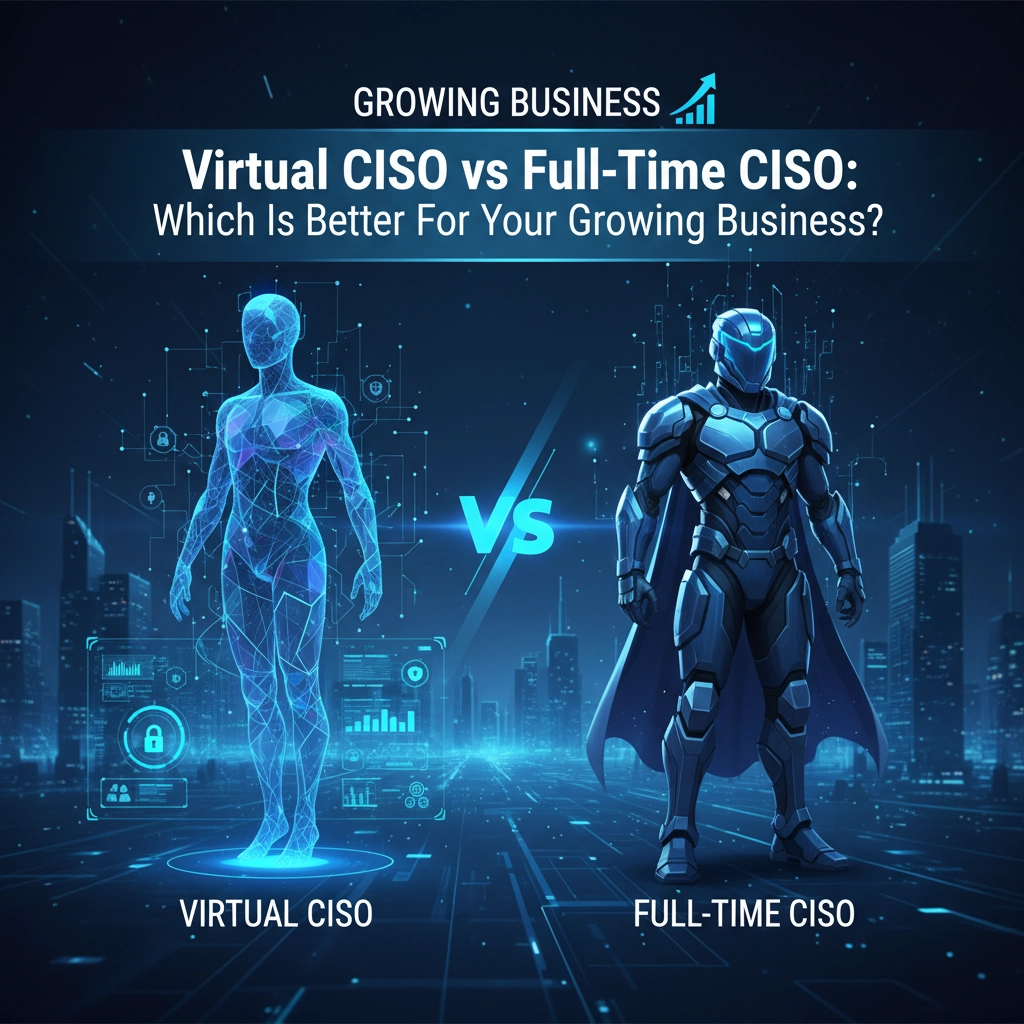
  • Virtual CISO vs Full-Time CISO: Which Is Better For Your Growing Business?

    Virtual CISO vs Full-Time CISO: Which Is Better For Your Growing Business?

    Your business is growing, and with that growth comes a sobering reality: cyber threats are getting scarier by the day. You know you need serious security leadership, but here's the million-dollar question, literally: do you hire a full-time Chief Information Security Officer (CISO) or go with a virtual one?

    It's a decision that keeps many business owners up at night. Hire full-time and you're looking at a hefty salary plus benefits. Go virtual and you might wonder if you're getting the attention your business deserves. Let's break this down in plain English so you can make the right call for your growing company.

    What Exactly Does a CISO Do?

    Before we dive into the comparison, let's get clear on what a CISO actually does. Think of them as your company's security general. They're responsible for developing your cybersecurity strategy, managing risk, ensuring compliance with regulations, and leading your security team. When a breach happens (and unfortunately, it often does), they're the ones coordinating the response and damage control.

    A good CISO doesn't just handle the technical stuff: they translate security risks into business language that executives and board members can understand. They're part tech expert, part business strategist, and part crisis manager all rolled into one.

    image_1

    The Full-Time CISO: Your Dedicated Security General

    When you hire a full-time CISO, you're getting someone who lives and breathes your company's security 24/7. They're embedded in your culture, know every system inside and out, and can respond to incidents immediately.

    The Upside of Going Full-Time

    Dedicated Focus: Your full-time CISO isn't juggling multiple clients. Their only job is protecting your business, which means they can dive deep into your specific challenges and opportunities.

    Immediate Response: When something goes wrong at 2 AM, your full-time CISO can jump into action without having to check if they're available or coordinate with other clients.

    Cultural Integration: They become part of your team's DNA. They understand your business goals, company culture, and can build security strategies that actually fit how your organization operates.

    Team Building: A full-time CISO can recruit, train, and manage an internal security team that grows with your company.

    The Downsides That Might Surprise You

    The Price Tag: We're talking serious money here. A qualified CISO typically earns between $200,000-$400,000 annually, plus benefits, stock options, and other perks. For many growing businesses, that's a tough pill to swallow.

    Limited Perspective: Your full-time CISO only sees your world. They might miss emerging threats or innovative solutions that someone with broader industry exposure would catch.

    Recruitment Challenges: Finding and hiring a great CISO can take months. The talent pool is limited, and the best candidates are often already employed or commanding premium salaries.

    The Virtual CISO: Flexible Expertise on Demand

    A virtual CISO (vCISO) brings executive-level security expertise without the full-time commitment or cost. They work with your business on a contract basis: maybe a few days a month or for specific projects.

    image_2

    Why Virtual Might Be Your Sweet Spot

    Cost Efficiency: This is the big one. A vCISO typically costs 60-80% less than a full-time hire. You're looking at monthly retainers between $5,000-$20,000 instead of a six-figure salary plus benefits.

    Instant Expertise: No lengthy recruitment process. A good vCISO can hit the ground running immediately, bringing years of experience from day one.

    Broad Industry Knowledge: vCISOs work across multiple industries and see different types of threats and solutions. This breadth of experience can be incredibly valuable for your business.

    Scalability: As your business grows, your vCISO engagement can grow with you. Start with a few hours a month and scale up as needed.

    Access to a Team: Many vCISO providers (like CyberLite) don't just give you one person: you get access to an entire team of specialists.

    The Potential Drawbacks

    Divided Attention: Your vCISO likely has other clients, which means they can't be exclusively focused on your business 24/7.

    Less Cultural Integration: They might not understand the nuances of your company culture or business operations as deeply as a full-time employee would.

    Response Time: If a major incident happens outside of their scheduled time, response might be slower than with a dedicated full-time person.

    The Numbers Game: What Does It Really Cost?

    Let's talk dollars and cents, because that's what really matters to your bottom line.

    Full-Time CISO Annual Cost:

    • Base salary: $200,000-$400,000
    • Benefits (health, retirement, etc.): $40,000-$80,000
    • Office space, equipment, training: $10,000-$20,000
    • Total: $250,000-$500,000 annually

    Virtual CISO Annual Cost:

    • Monthly retainer: $5,000-$20,000
    • Total: $60,000-$240,000 annually

    The math is pretty clear: you could potentially save $200,000+ annually by going virtual. That's money you could invest in other security tools, staff training, or growing your business.

    image_3

    So When Should You Choose Which Option?

    The decision isn't just about money: it's about fit. Here's how to think about it:

    Choose a Full-Time CISO If:

    • You're a large enterprise (1,000+ employees) with complex security needs
    • You handle highly sensitive data or operate in heavily regulated industries
    • You have the budget to support a $300,000+ annual investment
    • You need someone who can be available for immediate crisis response 24/7
    • You're building a large internal security team that needs daily management

    Choose a Virtual CISO If:

    • You're a small to medium business (under 1,000 employees)
    • You need executive-level security expertise but have budget constraints
    • You want flexibility to scale security leadership as you grow
    • You don't need full-time security management but want strategic oversight
    • You want access to broad industry expertise and best practices

    How CyberLite's vCISO Service Changes the Game

    At CyberLite, our vCISO service is designed specifically for growing businesses that need enterprise-level security without enterprise-level costs. Here's what makes our approach different:

    Strategic Partnership: We don't just provide a consultant: we become your security partners. Our vCISOs work closely with your team to develop customized security strategies that fit your business goals and budget.

    Comprehensive Coverage: Our vCISOs handle everything from risk assessments and policy development to incident response planning and compliance guidance. You get all the strategic oversight of a full-time CISO without the overhead.

    Team Support: When you work with CyberLite, you don't just get one person: you get access to our entire team of security experts, including penetration testers, SOC analysts, and compliance specialists.

    Flexible Engagement: Whether you need a few hours a month for strategic guidance or more intensive support during a major project, we can scale our services to match your needs.

    Making Your Decision: Key Takeaways for Growing Businesses

    Here's the bottom line: for most growing businesses, a virtual CISO offers the best of both worlds: executive-level expertise at a fraction of the cost of a full-time hire.

    Start with these questions:

    1. What's your annual security budget?
    2. How complex are your current security needs?
    3. Do you need 24/7 on-site security leadership?
    4. How quickly do you need security expertise in place?

    Red flags that you might need full-time leadership:

    • You're handling payment card data, healthcare records, or other highly regulated information
    • You've experienced multiple security incidents in the past year
    • You have a large, distributed IT infrastructure with complex security requirements
    • Your board or investors are demanding dedicated security leadership

    Green lights for virtual CISO services:

    • You're focused on cost efficiency while building security capabilities
    • You need strategic guidance but don't require daily security management
    • You want access to broad industry expertise and best practices
    • You prefer flexibility to scale security leadership as your business grows

    image_4

    The Future-Proof Choice

    The cybersecurity landscape changes fast, and your security leadership needs to keep up. A virtual CISO gives you the flexibility to adapt your security strategy as threats evolve and your business grows.

    With CyberLite's vCISO service, you're not just getting cost savings: you're getting strategic security leadership that grows with your business. Our team stays on top of the latest threats, regulations, and best practices so you can focus on what you do best: running your business.

    The choice between virtual and full-time doesn't have to be permanent either. Many of our clients start with vCISO services and eventually transition to full-time leadership as they scale. It's about finding the right fit for where you are now, not where you think you might be in five years.

    Ready to explore how a virtual CISO could strengthen your security posture without breaking your budget? Let's talk about what strategic security leadership could look like for your growing business.

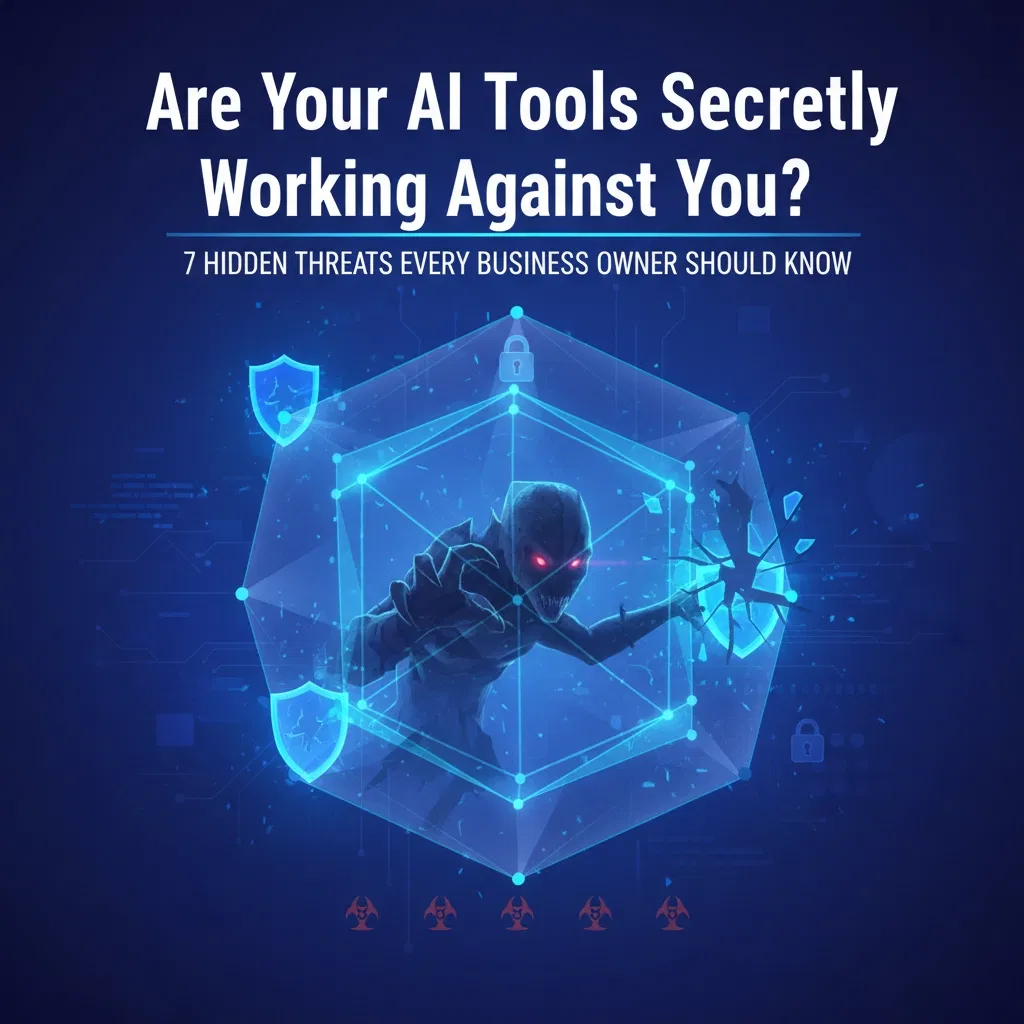
  • 7 Mistakes You’re Making with AI Security (and How to Fix Them)

    7 Mistakes You’re Making with AI Security (and How to Fix Them)

    Let’s be real for a second: AI is moving faster than most of us can keep up with. Every morning there’s a new tool, a new "agent," or a new way to automate a task that used to take five hours. It’s exciting, and it’s a game-changer for businesses trying to scale without hiring a hundred people.

    But here’s the kicker, while everyone is racing to plug AI into their workflows, security is often left in the dust. We’re seeing companies of all sizes (not just the tech giants) making some pretty basic mistakes that leave their data wide open.

    At CyberLite, we help businesses navigate this through our vCISO services, and we’ve noticed a pattern. People aren't trying to be reckless; they just don't know what they don't know.

    Here are the 7 biggest mistakes we’re seeing right now and, more importantly, how you can fix them before they become a headline.

    1. Relying on Weak or Static Safety Filters

    Most people think that because a chatbot has a "policy" against saying bad things, it’s secure. In reality, many AI tools rely on static, keyword-based filters. It’s like having a bouncer at a club who only looks for people wearing red shirts. If someone puts on a blue jacket over their red shirt, they walk right in.

    Attackers use "obfuscation" techniques, like using weird emojis or invisible Unicode characters, that look like gibberish to a basic filter but tell the AI exactly what to do.

    How to fix it: You need proactive "guardrail" models. Instead of just looking for bad words, use a secondary AI model to scan user inputs for intent. Think of it as having a second bouncer who actually talks to people to see if they’re looking for trouble.

    2. Failing to Sanitize User Inputs

    This is a classic "Prompt Injection" issue. If you have an AI agent that interacts with the public or handles customer data, and you haven't sanitized what goes into it, you're asking for a headache. Attackers can hide commands in seemingly normal questions that trick the AI into ignoring its original instructions and doing something else, like dumping your internal database.

    ai-threats-in-business-security.webp

    How to fix it: Treat AI prompts like any other user input. You need to filter out malicious patterns and limit the types of commands a user can actually trigger. This is where having a solid SOC monitoring team comes in handy, they can spot these weird patterns in real-time.

    3. Trusting AI Outputs Without Verification (Automation Bias)

    We’ve all been there: the AI gives an answer that sounds so confident and professional that we just assume it’s right. This is called "Automation Bias." We saw this happen with Air Canada when their chatbot hallucinated a refund policy that didn't exist, and the company was legally held to it.

    If your team is using AI to write contracts, give customer advice, or make business decisions without a human checking the work, you’re playing with fire.

    How to fix it: Establish mandatory human-in-the-loop protocols. AI should be the drafter, never the final approver. If you're using AI for legal-adjacent tasks, our Legal Expert Services can help you set up frameworks to ensure you stay compliant and protected.

    4. Using Inconsistent Security Across Multiple AI Models

    This is a big one for growing companies. Your marketing team might be using ChatGPT, your devs are using Claude, and your sales team is playing with a custom tool. Each of these has different "safety gaps." An attacker who gets blocked by one model will just "model shop" until they find a less restrictive one to exploit.

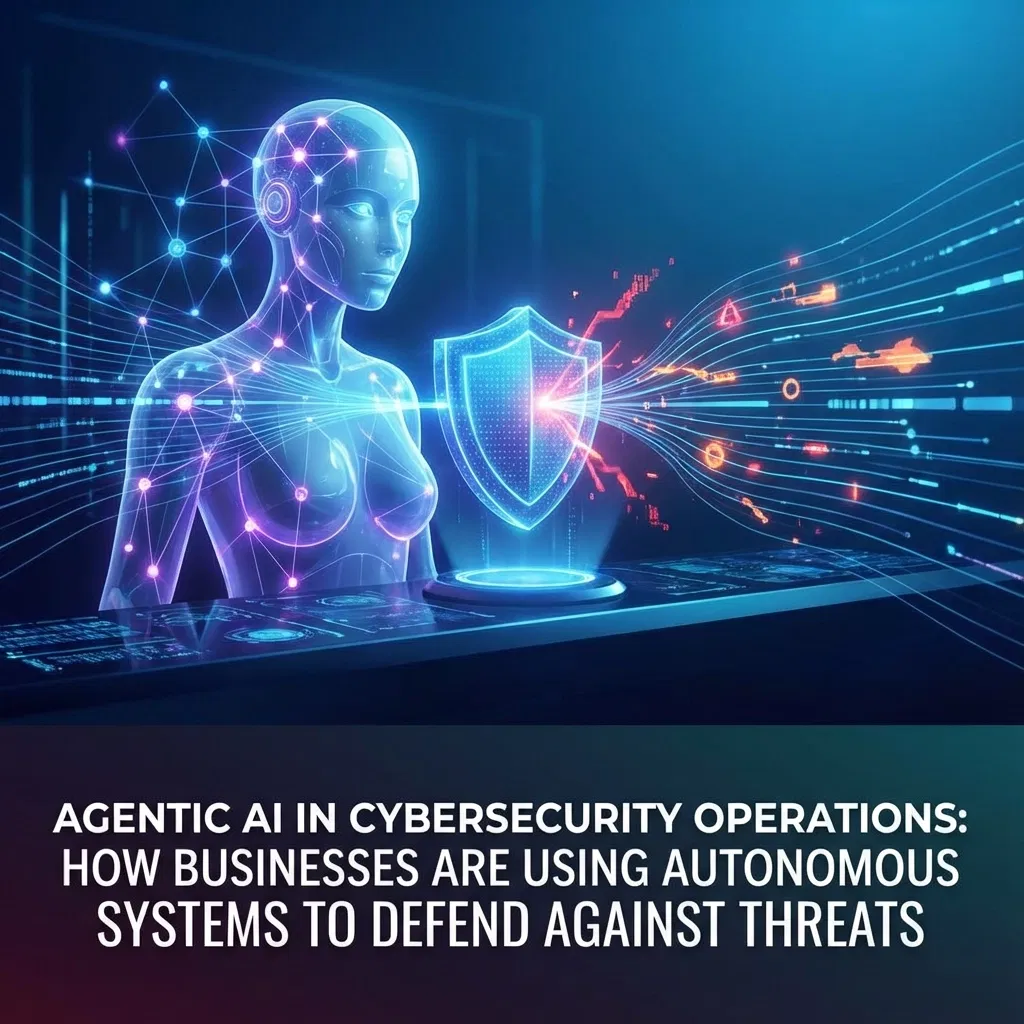
    ai-cyber-defense-digital-humanoid-transparent-shield.webp

    How to fix it: You need a centralized security proxy layer. Instead of every department doing their own thing, all AI prompts and responses should flow through a single point where you apply consistent security rules. This is a core part of what we do during our 90-day vCISO transformation, we bring order to the chaos.

    5. Misconfiguring AI Systems Through Negligence

    Usually, the biggest threat isn't a shadowy hacker; it’s a tired developer. We’ve seen cases where companies set up AI search agents to help employees find files, but they forget to exclude sensitive folders like "Payroll" or "Legal." Suddenly, any employee can ask the AI, "How much does the CEO make?" and get an answer.

    How to fix it: This falls under vGRC (Virtual Governance, Risk, and Compliance). You need standardized deployment procedures. Every time a new AI tool is connected to your data, it needs a formal risk assessment. You can even use our Risk Assessment Tool to get a head start.

    6. Neglecting to Monitor AI Outputs

    Most companies focus on what’s going into the AI, but they forget to watch what’s coming out. If your AI starts leaking sensitive customer data or violating compliance rules in its responses, you won’t know until someone complains, or sues.

    digital-shield-cybersecurity-icons-laptop.webp

    How to fix it: Set up continuous output monitoring. You need systems (and people) that analyze model responses to ensure they align with your safety policies. It’s about catching the leak before it leaves the building. Check out our blog on the rise of AI-driven cyber defense to see how this works in the modern workplace.

    7. Leaving Training Data Vulnerable to Poisoning

    If you’re training your own models or fine-tuning them on company data, you have to protect that data like gold. "Data poisoning" is when an attacker manages to slip bad information into your training set. This can cause the AI to give false info or create backdoors that remain even after you try to fix the model.

    How to fix it: Secure your data pipeline. Implement strict access controls and regular audits. You wouldn't let a stranger walk into your office and start filing paperwork; don't let unverified data into your AI's brain.


    Turning Security into a Competitive Edge

    It’s easy to look at this list and feel like AI is too risky to touch. But that’s the wrong takeaway. AI is a massive advantage, you just have to treat it with the same respect you give your finances or your legal documents.

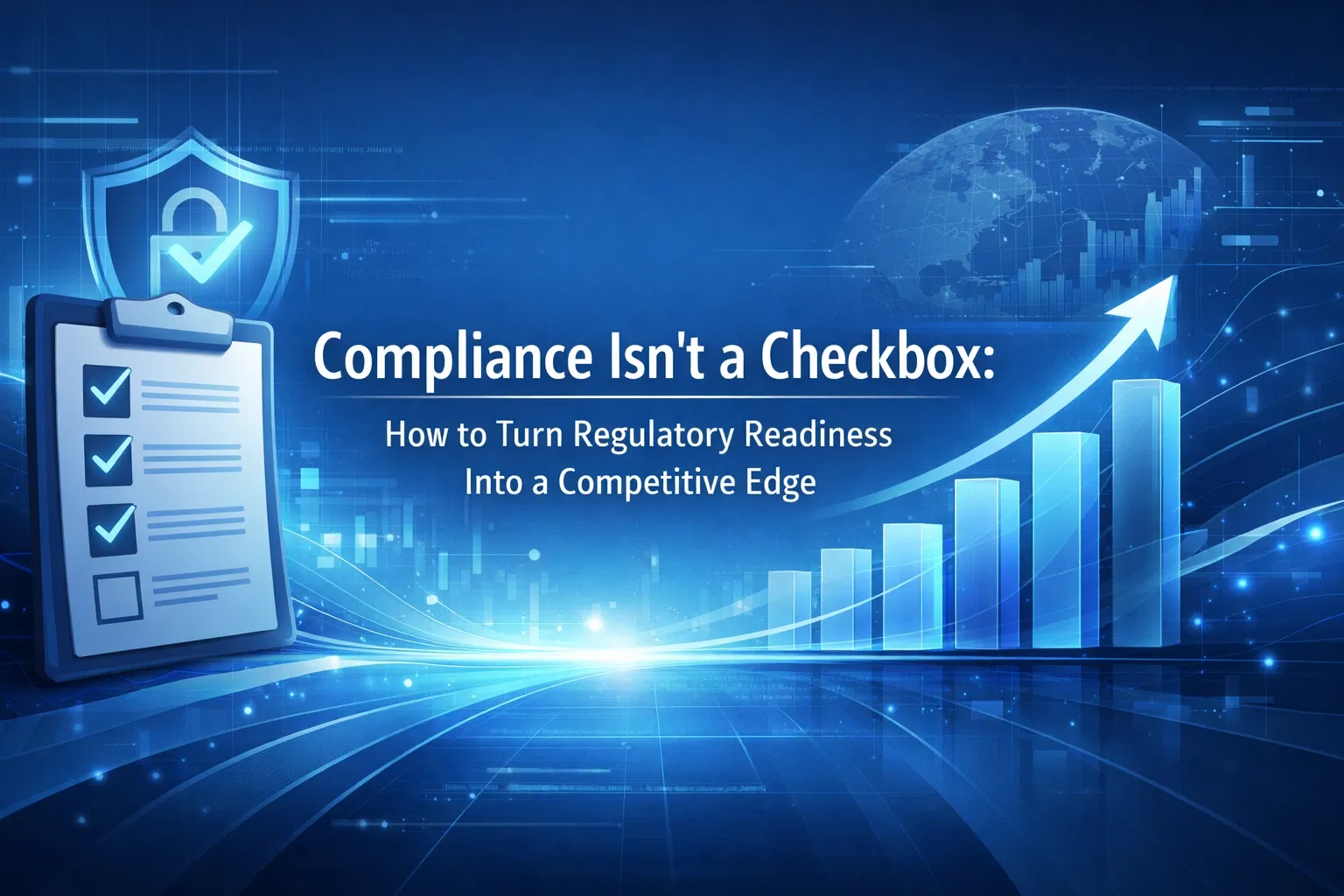
    When you get AI security right, it’s not just about "not getting hacked." It’s about building trust. Customers want to know their data is safe, and partners want to see that you have your act together. As we always say, compliance isn't just a checkbox, it's a competitive edge.

    compliance-competitive-edge-clipboard-shield-bar-graph.webp

    If you’re worried that your AI setup might be a bit of a "Wild West" right now, you don’t have to figure it out alone. CyberLite provides enterprise-grade protection for businesses that don't want (or need) a full-time, in-house security team. Whether it’s through our vCISO services or our 24/7 SOC monitoring, we’ve got your back.

    Ready to see where you stand?
    Book a security assessment today and let’s make sure your AI is working for you, not against you.


    LinkedIn Post

    Headline: Is your AI agent secretly a security hole? 🕳️

    Everyone is rushing to implement AI, but many businesses are missing the basic security guardrails. From "prompt injections" to simple misconfigurations, the risks are real, but they’re also fixable.

    At CyberLite, we’re seeing 7 common mistakes that crop up everywhere, regardless of company size. The biggest one? Trusting AI outputs without a human in the loop. (Just ask the airline that had to honor a hallucinated refund policy!)

    We’ve broken down the 7 mistakes and how to fix them in our latest blog post. If you're using AI to scale your business, this is a must-read.

    Check out the full guide here: [Link]

    #CyberSecurity #AISecurity #vCISO #CyberLite #BusinessGrowth #TechTrends


    Email Snippet

    Subject: 7 AI Security Mistakes You Might Be Making

    Hi [Name],

    Are you currently using AI tools or custom agents in your workflow? Most businesses are, but many are unknowingly leaving their "back door" open.

    We just published a new guide: 7 Mistakes You're Making with AI Security (and How to Fix Them).

    We cover everything from "model shopping" to training data poisoning, plus practical steps your team can take today to lock things down. At CyberLite, our goal is to help you get the most out of AI without the unnecessary risk.

    Read the full post here: [Link]

    Stay safe,
    Clifford Vazquez
    CEO, CyberLite


    Sales Objection Card

    Objection: "We only use popular tools like ChatGPT, so we're already protected by their security."

    Response: "It’s a common misconception that the tool provider handles everything. While OpenAI or Google secures the 'engine,' you are responsible for how you use it. If a team member pastes sensitive client data into a prompt, or if you connect an AI agent to your internal database without the right permissions, the provider can't stop that. Our vCISO service helps you build the 'safety cage' around how your team actually uses these tools."

    Proof Angle: Mention the Air Canada chatbot case or recent "Big Sleep" research (where AI found real-world vulnerabilities). Point to CyberLite’s 90-day vCISO transformation which includes a full audit of third-party tool usage and data flows.

  • How a vCISO Transforms Your Security Posture in 90 Days

    How a vCISO Transforms Your Security Posture in 90 Days

    Let’s be honest: most business owners treat cybersecurity like a giant, expensive "to-do" list that never actually ends. You know you need to be secure, but between managing a team, hitting sales targets, and dealing with everyday fires, "fixing the security posture" usually gets pushed to next quarter.

    The problem? Threat actors aren't waiting for your schedule to clear up.

    In 2026, the stakes are higher than ever. With AI-driven attacks becoming the norm, you can’t afford to just "hope for the best." But you also probably don’t have $250,000 lying around to hire a full-time, C-level Chief Information Security Officer (CISO).

    That’s where the Virtual CISO (vCISO) comes in. At CyberLite, we’ve perfected a 90-day sprint that takes you from "I hope we're safe" to "We have a proactive, enterprise-grade defense."

    Here is exactly how a vCISO transforms your business in just three months.


    The Expertise Gap: Why You Need a vCISO

    Before we dive into the timeline, let's talk about why the vCISO model is winning. A full-time CISO is a luxury for many mid-sized businesses. Beyond the massive salary, they are hard to find and even harder to keep.

    A vCISO from CyberLite gives you the same level of executive-level strategy, board-room ready reporting, and technical oversight, but at about 30-40% of the cost. You’re getting a seasoned pro who has seen it all across dozens of industries, bringing that "battle-tested" wisdom to your specific environment.


    Month 1 (Days 1–30): The Deep Dive & The Quick Wins

    The first 30 days are all about answering one big question: Where are we actually vulnerable?

    Most companies have "security debt", old software that was never updated, employees with too much access, or policies that haven't been touched since 2019. Your vCISO starts by performing a comprehensive Gap Analysis.

    The Security Baseline Report

    We don’t just look at your firewall. We look at your people, your processes, and your tech. We identify the "low-hanging fruit", those simple fixes that immediately reduce your risk by 50% or more.

    What happens in Month 1:

    • Asset Discovery: If you don't know it exists, you can't protect it. We find every device and cloud service connected to your network.
    • Policy Review: We check if your "Acceptable Use" and "Data Privacy" policies actually mean anything in today’s world.
    • Vulnerability Scanning: Using tools like our Risk Assessment, we find the holes in your digital fence.

    By the end of day 30, you’ll have a "Security Baseline Report." No more guessing. You’ll have a clear map of your risks and a prioritized list of what to fix first.

    digital-shield-cybersecurity-icons-laptop.webp


    Month 2 (Days 31–60): Building the Fortress

    Once we know where the holes are, we start plugging them. Month 2 is where the heavy lifting happens. This is the Governance and Implementation phase.

    A vCISO doesn't just tell you what's wrong; they help you fix it. We start aligning your business with frameworks like ISO 27001, GDPR, or NIST. Even if you don't need a formal certification, following these frameworks is the "ticket to the table" for winning bigger contracts.

    Strategy Over Tools

    Many businesses make the mistake of buying more software to solve security problems. Your vCISO might actually tell you to stop buying tools and start configuring the ones you already have. We focus on:

    • Remediation Planning: Taking that list from Month 1 and systematically checking things off.
    • Incident Response Prep: If you got hacked tomorrow at 2:00 AM, who gets called? What is the first step? We build your Incident Response Plan (IRP) so you aren't panic-searching for answers during a crisis.
    • Access Control: Implementing "Least Privilege." This just means making sure the marketing intern doesn't have the keys to your financial database.

    compliance-competitive-edge-clipboard-shield-bar-graph.webp


    Month 3 (Days 61–90): The Long Game & Culture Shift

    By day 60, your technical defenses are significantly stronger. But there’s one vulnerability a firewall can't fix: Human error.

    Month 3 is about making security part of your company DNA. We shift from "fixing things" to "managing things." A vCISO ensures that security isn't a one-time project but a continuous cycle.

    Creating a Security-First Culture

    We roll out security awareness training that doesn't put your employees to sleep. We teach them how to spot those hyper-realistic AI-generated phishing emails and why using "Password123" is a recipe for disaster.

    What we finalize in Month 3:

    • Staff Training: Educating your team to be your first line of defense.
    • The 12-Month Roadmap: We look beyond the 90 days. What should your security budget look like next year? What new regulations are coming down the pipe?
    • Continuous Monitoring: We set up the systems (like our SOC monitoring) to ensure that as soon as a new threat appears, we’re on it.

    By the end of 90 days, your "security posture" isn't just a buzzword. It’s a documented, verifiable reality that you can show to investors, partners, and customers to prove you are a safe pair of hands.


    The AI Factor: Future-Proofing Your Business

    We can't talk about 2026 without talking about AI. As we've discussed in our post on the rise of AI-driven cyber defense, the bad guys are using AI to find vulnerabilities faster than any human could.

    A vCISO ensures that your defense is just as smart. Whether it’s securing your internal AI tools or using AI-enhanced threat detection, we make sure you stay ahead of the curve.

    ai-cyber-defense-digital-humanoid-transparent-shield.webp


    Why 90 Days?

    Because business moves fast. You can’t wait six months for a "strategic review." Our vCISO service is designed to deliver high-impact results quickly.

    At the end of these 90 days, you will have:

    1. Lower Insurance Premiums: Cyber insurance companies love businesses with a vCISO and documented IR plans.
    2. Increased Sales Trust: When a prospect sends you a 50-page security questionnaire, your vCISO handles it, helping you close the deal faster.
    3. Peace of Mind: You can sleep knowing that an expert is watching the gates.

    If you’re ready to stop worrying about what might happen and start controlling your digital destiny, it’s time to look at a vCISO.

    Ready to transform your security? Book a security assessment today and let’s get your 90-day clock started.


    The Authority Package: Week of March 18, 2026

    1. LinkedIn Post

    Caption:
    Most SMBs think a CISO is a "nice to have" once they hit $100M in revenue. 🚩

    Wrong. In 2026, security is the "ticket to the table" for any company that wants to win enterprise contracts or protect their reputation. But you don't need a $250k/year hire to get there.

    Enter the vCISO (Virtual CISO).

    In just 90 days, a vCISO can:
    ✅ Identify your "security debt" and kill the easy risks.
    ✅ Build an Incident Response Plan (so you don't panic during a breach).
    ✅ Train your team to spot AI-driven phishing attacks.
    ✅ Align you with frameworks like GDPR or ISO 27001.

    It’s about getting enterprise-grade strategy at a fraction of the cost. Stop playing catch-up and start leading with security.

    Let’s get your 90-day transformation started.
    Book an assessment: https://cyberlite.io/services

    #vCISO #CyberSecurity #CyberLite #BusinessGrowth #Infosec #Strategy


    2. Email Snippet

    Subject: 90 Days to Enterprise-Grade Security?

    Hi [Name],

    What if you could transform your company's security from a "worry" into a competitive advantage in just one quarter?

    Most leaders think building a robust security posture takes years and a massive budget. But with a Virtual CISO (vCISO), we can radically improve your defense in just 90 days.

    • Month 1: We find the gaps and fix the "low-hanging fruit."
    • Month 2: We build the strategy and governance you need to win bigger deals.
    • Month 3: We build a culture of security so your team becomes your strongest defense.

    You get executive-level expertise without the executive-level salary.

    Ready to see how we’d handle your first 30 days?

    Let’s chat: https://cyberlite.io/services

    Best,
    Clifford Vazquez
    CEO, CyberLite


    3. Sales Objection Card

    Objection: "A vCISO sounds like just another consultant who will give us a list of problems but won't actually help us fix them."

    Response: "I totally get that: consultant fatigue is real. But a vCISO from CyberLite isn't just an advisor; they are an operational leader. Think of them as a fractional executive who owns your security roadmap. We don't just hand you a report and walk away; we lead the remediation, coordinate with your IT team, and ensure the work actually gets done. We aren't here to give you a 'to-do' list; we're here to manage the list for you."

    Proof Angle: "On average, CyberLite vCISOs reduce a company's high-risk vulnerabilities by 65% within the first 60 days of engagement. We focus on 'doing' rather than just 'documenting.'"

  • The Ultimate Guide to vCISO: Everything You Need to Succeed in 2026

    The Ultimate Guide to vCISO: Everything You Need to Succeed in 2026

    Let’s be honest: in 2026, running a business without a solid security strategy is like driving a car with no brakes. You might get moving, but the first time you hit a curve, things are going to get messy.

    For most growing companies, hiring a full-time Chief Information Security Officer (CISO) is a massive hurdle. They are expensive, hard to find, and often overqualified for what a mid-market company needs on a day-to-day basis. That’s where the Virtual CISO (vCISO) comes in.

    At CyberLite, we’ve seen how this model changes the game. It’s not just about "having a security person." It’s about having executive leadership that understands your business goals and keeps the hackers at bay, without the $300k+ price tag.

    What is a vCISO, Really?

    Think of a vCISO as a fractional executive. You get all the experience, the strategic thinking, and the "seat at the table" during board meetings, but you only pay for the time you actually need.

    In 2026, a vCISO isn't just someone who checks boxes for an audit. They are the architects of your digital resilience. They handle everything from your high-level security strategy to making sure your team isn't clicking on AI-generated phishing links.

    The Core Responsibilities

    • Strategy over Tactics: They don’t just install software; they build a roadmap that aligns with your business growth.
    • Risk Management: Using tools like our risk assessment tool, they identify what could actually kill your business and fix those gaps first.
    • Compliance (vGRC): Making sure you meet standards like ISO 27001 or SOC2, turning compliance from a headache into a competitive edge.
    • Board-Level Reporting: Translating "technical-speak" into "business-speak" so your stakeholders understand the ROI of security.

    digital-shield-cybersecurity-icons-laptop

    Why 2026 is the Year of the vCISO

    The landscape has changed. We aren't just fighting lone-wolf hackers anymore. We are dealing with automated AI agents that can probe your network for vulnerabilities 24/7.

    If you aren't sure what a breach might cost you today, check out our breach cost calculator. The numbers are usually enough to keep any CEO up at night.

    vCISO vs. Full-Time: The Math

    A full-time CISO in 2026 commands a salary that most SMBs and mid-market firms can't justify. When you add in benefits, equity, and bonuses, you're looking at a half-million-dollar investment.

    A vCISO gives you:

    1. Lower Cost: You pay for a fraction of their time.
    2. Instant Expertise: You don’t have to spend six months recruiting.
    3. No Single Point of Failure: Most vCISO services (like ours at CyberLite) come with a team of experts backing up your lead consultant.

    A flexible digital network illustrating agile vCISO security leadership and collective expert protection.

    Strategic Priorities: Protect, Withstand, and Prove

    The mission for security leadership this year boils down to three words: Protect, Withstand, and Prove.

    1. Protect: Identity is the New Perimeter

    In 2026, hackers don't "break in", they sign in. They use stolen credentials or bypass weak MFA. A vCISO focuses on phishing-resistant MFA and managing "non-human" identities (like your AI agents and service accounts).

    2. Withstand: Resilience is Key

    You will have security incidents. The goal is to make sure they don't turn into disasters. This involves building a solid Incident Response (IR) plan and ensuring your SOC monitoring is actually catching the right signals.

    3. Prove: Compliance as a Sales Tool

    Your customers care about their data. Being able to prove you are secure is a massive selling point. A vCISO helps you achieve this through vGRC (Virtual Governance, Risk, and Compliance), making sure you stay ahead of regulations like NIS2 or DORA.

    compliance-competitive-edge-clipboard-shield-bar-graph

    Integrating AI Without Getting Hacked

    Everyone is using AI tools now. But how many companies have an "AI Security Policy"? Probably not enough.

    A major part of the vCISO's job in 2026 is managing the risk of AI. Whether it's preventing sensitive data from leaking into public LLMs or protecting your own custom AI models from "prompt injection" attacks, you need someone who understands the rise of AI agents and how to secure them.

    ai-cyber-defense-digital-humanoid-transparent-shield

    Your 90-Day vCISO Roadmap

    When you partner with a vCISO, you should see results quickly. Here is what the first three months usually look like:

    • Month 1: The Baseline. An honest assessment of your assets, current security gaps, and regulatory needs. We look at what you have and where it's broken.
    • Month 2: The Risk Register. We identify the "Big Three" risks to your business and create a RACI matrix (who is responsible for what). No more pointing fingers when something goes wrong.
    • Month 3: The Roadmap & KPIs. We set measurable goals. How fast can we detect a threat? How long does it take to patch a critical bug? We build the dashboard you need to see progress.

    How to Choose the Right vCISO Partner

    Don't just hire a consultant with a fancy LinkedIn profile. Look for a partner that offers:

    • Domain Expertise: Do they understand your specific industry?
    • Automation: They should use modern tools to speed up compliance and monitoring, not just spreadsheets.
    • Business Focus: If they only talk about firewalls and don't talk about your bottom line, keep looking.

    At CyberLite, we believe security should be simple. We strip away the jargon and focus on what actually protects your business. We help you scale securely, so you can focus on what you do best.

    Ready to see where you stand?

    Book a security assessment today and let's get your strategy on track for 2026.


    Share the Knowledge

    LinkedIn Post

    Headline: Do you really need a $300k CISO? 🛑

    In 2026, the answer for most scaling businesses is: No.

    The security landscape has shifted. Between AI-driven ransomware and complex new regulations like NIS2, you need executive-level security leadership, but you don't necessarily need it 40 hours a week.

    Enter the vCISO (Virtual CISO).

    A vCISO gives you:
    ✅ Strategic roadmaps that align with business growth.
    ✅ Expert guidance on securing AI tools.
    ✅ Compliance that actually acts as a sales advantage.
    ✅ All the benefits of a full-time exec at a fraction of the cost.

    Don't wait for a breach to realize you're missing a pilot at the security helm. It's time to move from "reactive" to "resilient."

    Read our Ultimate Guide to vCISO for 2026 here: [Link]

    #Cybersecurity #vCISO #AI #BusinessGrowth #CyberLite


    Email Snippet

    Subject: Is your security strategy ready for 2026?

    Hi [Name],

    As we move further into 2026, the "standard" security measures of two years ago just aren't cutting it anymore. With AI agents becoming more sophisticated and compliance requirements tightening, many businesses are finding themselves stuck between a rock and a hard place.

    You need high-level security leadership, but a full-time CISO isn't always in the budget.

    That’s why we put together The Ultimate Guide to vCISO. It explains how a Virtual CISO can provide the strategic oversight you need to protect your data and satisfy your customers: without the overhead of a full-time executive.

    [Link: Read the Guide]

    If you’re wondering how your current setup stacks up, I’d love to help. You can book a quick security assessment with our team here: [Link]

    Stay safe,

    Clifford Vazquez
    CEO, CyberLite


    Sales Objection Card

    Objection: "A virtual CISO won't understand our company culture or specific technical debt as well as an in-house hire."

    Response: "That’s a fair concern. However, a vCISO actually brings a broader perspective because they see how dozens of other companies are solving the exact same problems you're facing. At CyberLite, our first 30 days are dedicated entirely to an 'Assessment Phase' where we dive deep into your specific environment and business goals. We don't use a cookie-cutter template; we build a custom roadmap that integrates with your existing team."

    Proof Angle: Mention that CyberLite's vCISO model includes a 90-day structured onboarding process that has helped mid-market firms reduce their "Mean Time to Detect" (MTTD) by 40% within the first six months. By using our shared knowledge base, we solve in days what usually takes an isolated in-house CISO weeks to research.