
It’s May 2026, and the "AI gold rush" is officially in full swing. If your business isn't using a dozen different AI tools to speed up coding, marketing, or data analysis, you’re likely in the minority. But as we’ve seen over the last few years, speed usually comes at a price. For many SMBs, that price is a massive, gaping hole in their cybersecurity strategy.
Integrating AI isn't just about slapping a chatbot on your website or giving your team a ChatGPT subscription. It’s about ensuring that these tools, which are designed to be helpful, curious, and fast, don’t accidentally hand over the keys to your kingdom.
At CyberLite, we see this daily. Businesses want the productivity boost but aren't sure how to manage the risk. The good news? You don’t have to choose between innovation and safety. You just need a plan.
The Rise of "Shadow AI"
Before we talk about fancy security filters, we have to talk about people. The biggest risk to your business right now isn't a hacker in a hoodie, it's a well-meaning employee in marketing.
"Shadow AI" occurs when staff use unapproved, public AI tools to handle sensitive company data. They might paste a client's financial report into an LLM to get a summary, or upload a proprietary codebase to a debugger. Once that data is out there, it’s gone. It’s part of the training set, and you’ve effectively leaked your trade secrets.
A core part of our vCISO services is identifying these invisible risks. You can't secure what you don't know is happening.
Step 1: Build the Guardrails (The vGRC Approach)
You don't need a 50-page manual that nobody will read. You need a lean, effective AI Acceptable Use Policy. This is where Governance, Risk, and Compliance (vGRC) comes in.

Your AI policy should cover three simple things:
- Inventory: Keep a running list of every AI tool used in the company. If it’s not on the list, it’s not allowed.
- Risk Tiering: Not all AI usage is equal. Summarizing a public blog post is low risk. Analyzing customer PII (Personally Identifiable Information) is high risk. High-risk tasks need manual approval and a secure environment.
- The "No Training" Rule: Only use enterprise-grade tools that allow you to opt out of data training. If the tool "learns" from your data to improve its public model, it’s a non-starter for business use.
Step 2: Technical Integrity and "Zero Trust"
In 2026, the perimeter isn't a firewall; it's identity. AI makes social engineering and phishing incredibly easy for attackers. Deepfake audio and hyper-realistic emails mean your staff can’t always trust their eyes and ears.
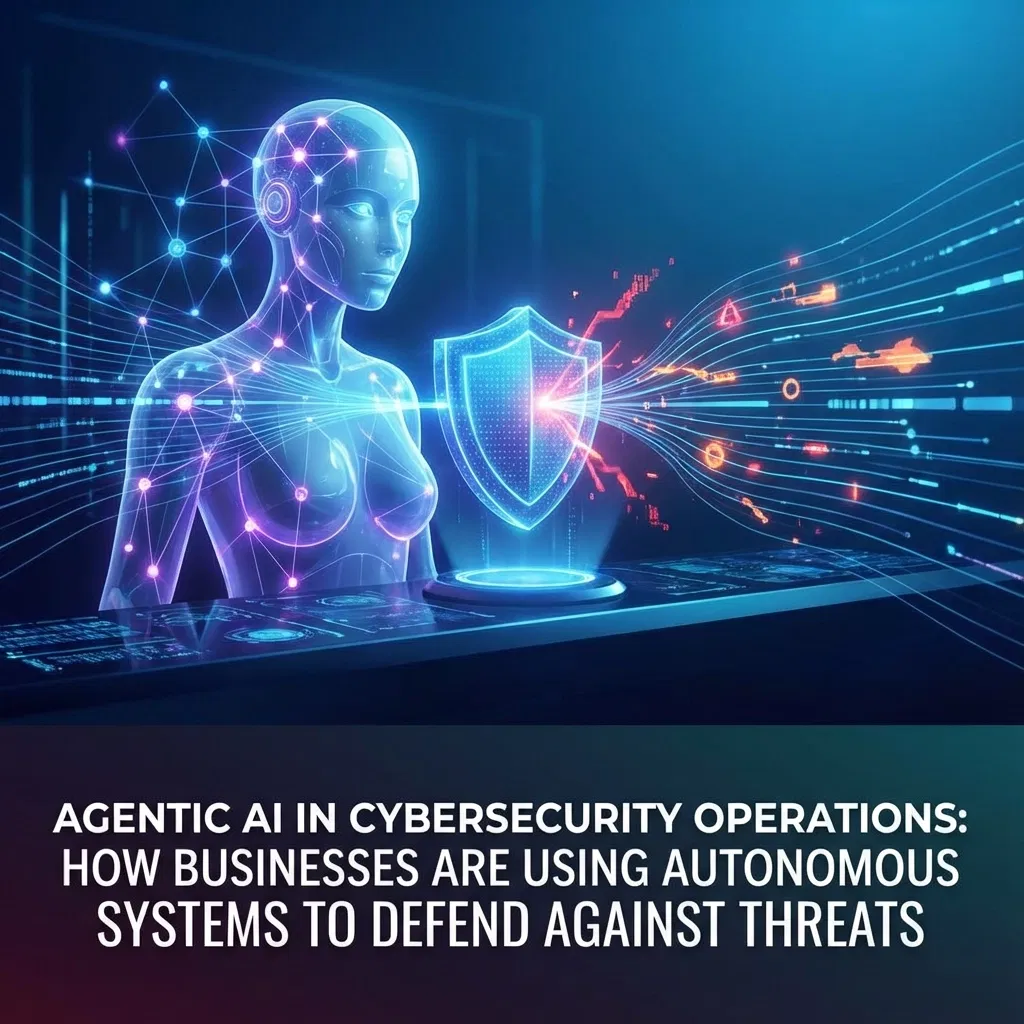
To integrate AI safely, you need to double down on Identity and Access Management (IAM).
- MFA Everywhere: Multi-factor authentication is no longer optional. It is the single most effective way to stop AI-driven credential stuffing.
- Least Privilege for Bots: If you’re using AI agents or integrations, don't give them "Admin" access. Only give them the specific permissions they need to do their job.
- API Security: Most AI tools communicate via APIs. If those keys are leaked, attackers can bypass your frontend entirely. Ensure your penetration testing includes a deep dive into your AI API integrations.
Step 3: Choosing Security-by-Design Vendors
When you’re shopping for new AI tools, don't just look at the features. Look at the "Security" tab on their pricing page.

Ask these three questions before signing a contract:
- Where is my data stored? In 2026, data residency matters for compliance (GDPR, CCPA).
- Do you have a SOC 2 Type II report? This proves they actually do what they say they do when it comes to security.
- How do you handle prompt injection? This is a specific type of hack where an attacker tricks an AI into revealing data it shouldn’t. If the vendor doesn't have an answer for this, they aren't ready for your business.
Step 4: Fighting AI with AI
The attackers are using AI, so you should too. Integrating AI into your SOC Monitoring allows you to spot anomalies that a human might miss.
AI-powered security tools can detect a login from an unusual location at an unusual time, cross-reference it with recent "Shadow AI" activity, and automatically lock the account before any data is exported. This "active defense" is what keeps modern businesses afloat.

Conclusion: Strategy Over Software
AI is a powerful tool, but it's not a replacement for a sound security strategy. Whether you're a small nonprofit or a scaling tech firm, the principles remain the same: know your tools, protect your data, and verify everything.
Integrating AI doesn't have to be a gamble. With the right leadership, like a Virtual CISO, you can leverage the best of what 2026 technology has to offer without becoming the next headline in a breach report.
Don't wait for a "Shadow AI" incident to happen before you take action. We can help you map out your AI risks and build a strategy that scales with your business.
Book a security assessment at https://cyberlite.io/contact.
LinkedIn Post
Title: AI is a gold rush, don't get buried in the mine. ⛏️🛡️
By 2026, almost every SMB is using some form of AI. But is your data staying where it belongs? "Shadow AI" (unapproved tools used by staff) is one of the fastest-growing risks to business privacy.
At CyberLite, we believe you can innovate and stay secure. Our latest guide breaks down:
✅ Why "Zero Trust" is your best defense against AI-driven phishing.
✅ How to build a minimalist AI Acceptable Use Policy.
✅ Why your vCISO should be your first call before integrating new AI agents.
Stop guessing and start securing. Check out the full breakdown on our blog!
Read more: https://cyberlite.io/blog/securing-ai-implementations-enterprise
#CyberSecurity #AI #vCISO #SMB #TechTrends2026
Email Snippet
Subject: Is your team’s AI usage creating a "Shadow" over your security?
Hi [Name],
Everyone is talking about the productivity gains from AI, but few are talking about the security debt being created in the background.
When your team uses public AI tools to summarize sensitive documents or debug proprietary code, that data often becomes part of a public training set. In short: your secrets are no longer secret.
In our latest article, "How to Integrate AI Tools With Your Security Strategy (Without Getting Hacked)," we provide a practical 2026 roadmap for SMBs. We cover:
- Building a lean AI Governance policy.
- Securing API integrations.
- Fighting AI-driven attacks with AI-powered monitoring.
Don't let the AI boom become a security bust.
Read the full guide here: [Link]
Best,
The CyberLite Team
Sales Objection Card
Objection: "We're a small team; we don't have enough AI usage to justify a whole 'strategy' or a vCISO yet."
Response: "Actually, that's the perfect time to start. It’s much easier to bake security into your AI workflows now than to try and 'fix' a leaked database or a compromised API integration six months from now. Most of our SMB clients are surprised by how much 'Shadow AI' is already happening under their noses. A vCISO doesn't just block tools; we help you find the right ones that are safe to use, so you can innovate faster without the anxiety."
Proof Angle: Mention that a vCISO assessment often identifies 3-5 high-risk unmanaged AI integrations within the first week, potentially saving the company from regulatory fines (GDPR/CCPA) that could exceed their annual security budget.
Leave a Reply